You're Invited: What Really Happens When You Stay with a Tongan Family
You're Invited: What Really Happens When You Stay with a Tongan Family
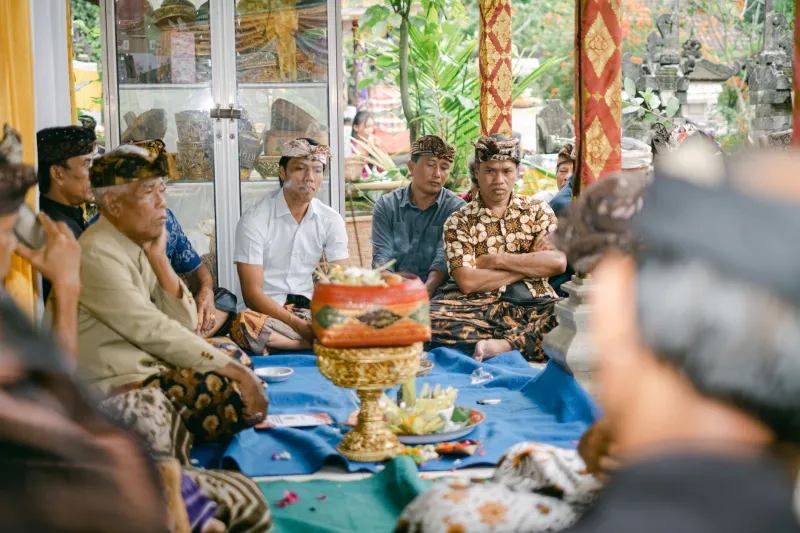
There's a moment that almost every homestay guest in Tonga talks about later. It usually happens on the first evening — sitting cross-legged on a woven mat, eating something unfamiliar out of a shared bowl, while the family's youngest kid stares at you from across the room and then breaks into the widest grin you've ever seen. No Wi-Fi. No room service. No itinerary. Just people, figuring each other out.
That moment doesn't happen at a resort. It can't be packaged or sold as an upgrade. And for a growing number of American travelers, it's become the whole point of the trip.
Village homestays in Tonga have been gaining quiet traction over the last several years — not through splashy marketing, but through word of mouth from people who came expecting a cultural curiosity and left feeling like they'd actually been somewhere. If you're considering one, here's what you actually need to know.
What a Tongan Homestay Actually Looks Like
Let's be straightforward: this is not glamping. Most village homes in Tonga are modest by American standards — concrete block construction, corrugated iron roofs, simple furnishings. You'll likely sleep on a foam mattress or a traditional sleeping mat on the floor. The bathroom situation varies, but shared outdoor facilities are common, especially in more rural areas. Hot water is not guaranteed.
What is guaranteed is that the space will be clean, the welcome will be warm, and the food will be plentiful. Tongan hospitality — fefeka in spirit, generous in practice — means guests are almost never allowed to feel neglected. Hosts often go to considerable effort to make visitors comfortable, even when resources are limited. Accepting that generosity graciously, rather than trying to minimize the inconvenience you imagine you're causing, is one of the most important things you can do as a guest.
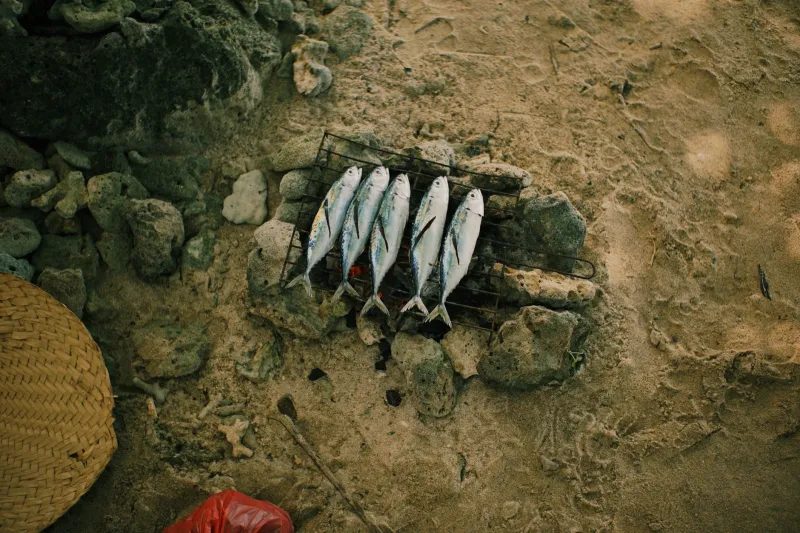
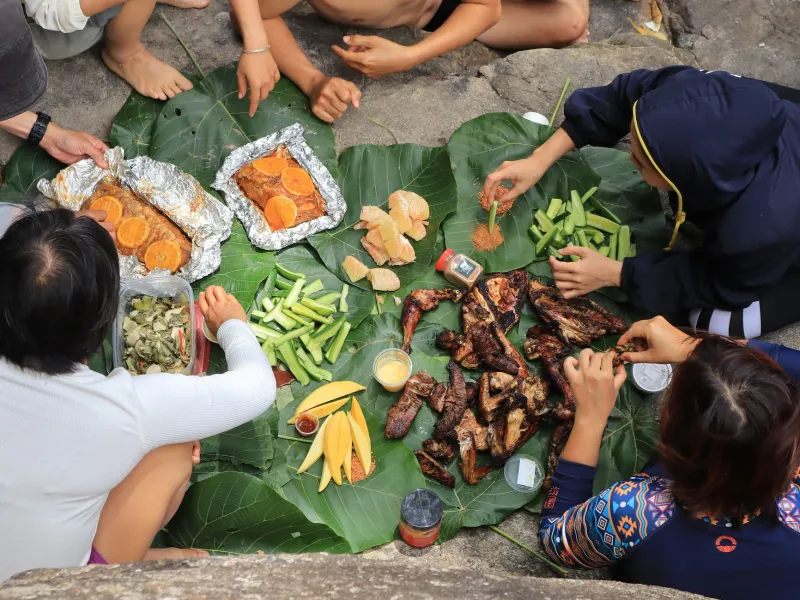
Meals are communal and central. Expect a lot of root vegetables — taro, cassava, sweet potato — alongside fish, coconut cream, and occasional pork. Everything is likely to be cooked fresh, often over an open fire or in an umu (an underground earth oven, especially for Sunday feasts). You won't go hungry. You also won't have a menu to choose from, so if you have serious dietary restrictions, communicate them clearly and early when booking.
The Sunday Question (It's Not Optional)
Tonga is one of the most devoutly Christian nations in the world, and Sunday is genuinely sacred — not in a performative way, but in a way that reshapes the entire rhythm of the week. If your homestay falls over a weekend, you will almost certainly be invited to attend church with your host family.
This isn't a tourist activity. It's an invitation into something real, and it should be treated as such. Dress modestly and conservatively — for women, that means skirts or dresses below the knee; for men, collared shirts and long pants. The service will likely be in Tongan, long by American standards, and sung with a level of four-part harmony that will genuinely stop you in your tracks. Go with an open mind, participate where you can, and resist the urge to treat it as a photo opportunity.
After church, Sunday lunch is often the biggest meal of the week. If you're there for it, consider yourself lucky.
How to Find a Legitimate Homestay Program
This is where some due diligence pays off. The homestay market in Tonga is small and not heavily regulated, which means quality and authenticity vary. A few reliable starting points:
The Tonga Tourism Authority (tongaholiday.com) maintains resources and can point travelers toward vetted community tourism programs. It's a solid first stop before booking anything.
Community-based operators on Vava'u and 'Eua have developed more formalized homestay networks than the main island of Tongatapu. If immersion is your goal, these outer islands often deliver a more genuine village experience with slightly more infrastructure for visitors.
Ask specifically about what's included — meals, transportation to/from activities, any community fees. Reputable programs are transparent about costs and clear about what the money supports. Ideally, you want to confirm that your host family receives a fair portion of what you pay directly.
Avoid booking purely through third-party aggregator sites without verifying the host's connection to an actual community program. The best experiences tend to come through direct contact or through operators who have on-the-ground relationships in Tonga.
Cultural Etiquette: The Basics That Matter Most
A few things will make or break the experience — for you and for your hosts.
Bring a small gift. Arriving empty-handed is considered poor form. Kava root (if you can source it before arrival), quality tea, or practical household items are all appropriate. Skip the novelty American souvenirs.
Eat what you're given, and eat enough of it. Refusing food or eating sparingly can read as ingratitude. If you genuinely can't eat something, a polite explanation goes a long way — but make an effort.
Ask before photographing anything. This applies to people, homes, and ceremonies. Always.
Keep your voice and energy low in the evenings. Tongan villages go quiet early. Loud music, boisterous behavior, or staying up late in common areas disrupts the household routine in ways that may not be expressed to you directly but will absolutely be noticed.
Dress modestly throughout your stay, not just for church. Beachwear belongs at the beach. Covered shoulders and knees are appropriate in and around the village at all other times.
Why This Kind of Travel Hits Different
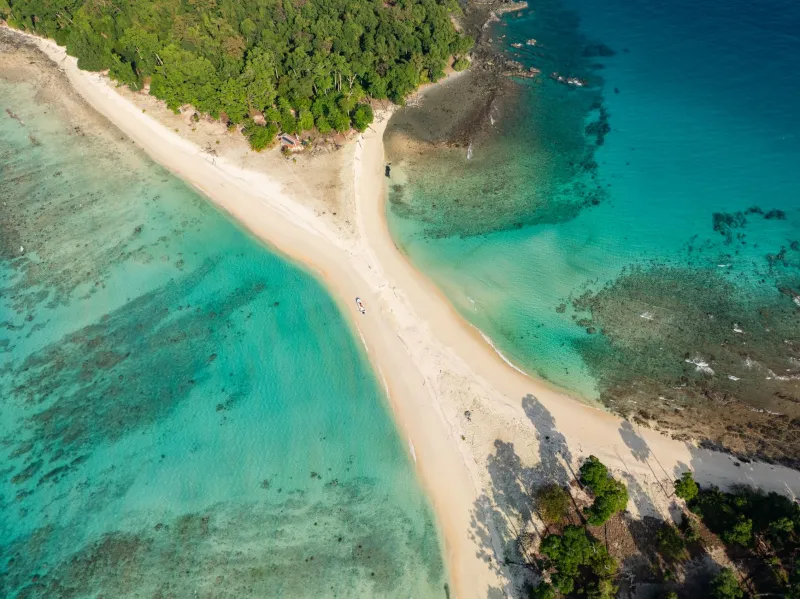
Here's the honest pitch for why someone should consider a village homestay over, say, a comfortable guesthouse in Nuku'alofa: the resort version of Tonga is lovely. The ocean is stunning, the food is good, the people are friendly. But it's a version of Tonga curated for your comfort, with the friction smoothed out.
The homestay version still has friction. The bathroom might be a walk outside. The conversation might require patience and hand gestures. The silence at 9 PM might feel strange at first. But that friction is actually the experience. It's where the real exchange happens — between two very different ways of living, finding common ground on a woven mat over a shared bowl of lu sipi.
Americans who've done it tend to describe it less like a vacation and more like a recalibration. Something about the pace, the generosity, and the radical simplicity of it stays with you in a way that a week at a beautiful resort almost never does.
Tonga is worth seeing. But a Tongan family is worth meeting. Those are two different trips — and the second one is the one you'll still be talking about in five years.