Eat Like a Tongan: The Food Traditions Every Pacific Traveler Needs to Know
Most Americans picture Pacific Island food and land somewhere between a luau buffet and a beachside coconut. That's not a knock — it's just that the culinary depth of a place like Tonga rarely makes it onto the radar. Which is a shame, because Tongan food culture is layered, ceremonial, and deeply tied to how people here understand community, identity, and respect.
If you're planning a trip to Tonga, eating well isn't just about finding the right restaurant. It's about understanding what's on the plate — and who put it there.
The Umu: Tonga's Original Slow Cooker
Before there were Dutch ovens or sous vide machines, there was the umu. This underground earth oven has been the centerpiece of Tongan cooking for centuries, and it remains so today. The process is straightforward but requires real skill: volcanic rocks are heated in an open fire until they're blazing hot, then layered into a pit with food wrapped in banana leaves. Everything gets covered with more leaves and burlap sacks, trapping the heat inside. A few hours later, you've got something extraordinary.
The umu produces a kind of slow-roasted, slightly smoky flavor that you simply cannot replicate on a gas range. Whole pigs, taro root, sweet potatoes, and fish all go in together, and what comes out is tender, fragrant, and unmistakably Tongan. If you happen to be on the island of Tongatapu on a Sunday — and you should try to be — many families prepare an umu feast after church. The smell alone is worth the flight.
The Staples: What's Actually on the Table
Tongan cuisine leans heavily on root vegetables and starchy staples, which makes sense given the agricultural landscape. Taro is the backbone of nearly every meal — boiled, baked, or pounded into a paste called taro poi. It's earthy and slightly nutty, and once you've had it fresh, the frozen grocery store version back home will never feel the same.
Lu is another dish worth knowing. It's made from young taro leaves stuffed with onion and coconut cream, sometimes with corned beef or fish tucked inside, then wrapped and slow-cooked in the umu. Think of it as Tonga's answer to a stuffed cabbage roll, except richer and more aromatic. It's comfort food in the truest sense.
Coconut shows up in almost everything — milk, cream, and fresh grated coconut are used to season, cook, and finish dishes throughout the day. Ota ika is a ceviche-style raw fish dish marinated in citrus and coconut cream that's refreshing, bright, and a perfect introduction to the islands' flavors for American palates already familiar with Latin-style crudo.
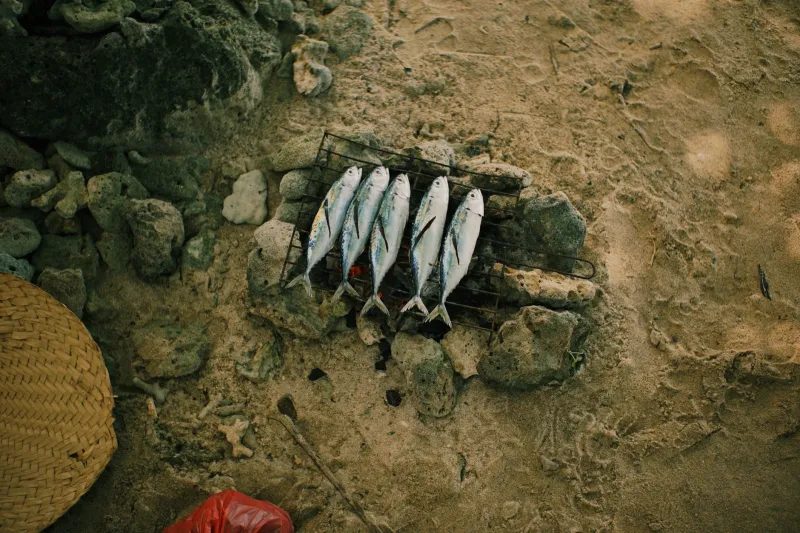
For protein, pork is king. Tonga has a long tradition of raising pigs for ceremonial occasions, and roasted whole pig at a feast is less a meal and more an event. Seafood — lobster, octopus, and various reef fish — rounds out the diet, and it's about as fresh as it gets.
Food as Ceremony: The Feast Tradition
In Tonga, a meal shared in abundance is a form of respect. Feasts — called kai in the local language — are central to royal celebrations, weddings, funerals, and village milestones. The scale of these gatherings can be staggering. Tables stretch the length of entire community halls, piled with roasted meats, woven baskets of taro, and elaborate arrangements of tropical fruits.
The royal family has historically played a central role in Tongan feast culture, and major national events like the King's birthday are marked with enormous communal celebrations. Visitors who happen to be in Tonga during these occasions should consider themselves genuinely lucky — and should absolutely show up hungry.
What strikes most outsiders is the etiquette. Guests are served first and in abundance, often before the hosts eat at all. Refusing food or leaving a plate empty can read as ingratitude. The expectation of generosity runs in both directions: accepting food with warmth and appreciation is its own form of cultural fluency.
Where US Travelers Can Actually Find the Good Stuff
Here's the honest truth: if you stick to your resort's dining room, you'll eat fine but miss almost everything that makes Tongan food interesting. The real culinary action happens in family kitchens, church halls, and local markets.
Talamahu Market in Nuku'alofa is the place to start. This open-air market in the capital is where locals shop for produce, and the food stalls inside serve some of the most authentic — and affordable — meals on the island. Look for vendors selling lu pulu (the coconut-and-taro-leaf packets), fresh ota ika, and roasted breadfruit. Breakfast at the market will run you a few dollars and taste better than most things you'll find anywhere else.
For a more structured experience, several locally-owned guesthouses and small restaurants in Nuku'alofa offer traditional Tongan meals on request. It's worth calling ahead or asking your accommodation host — many families are genuinely happy to share a home-cooked meal with travelers who show real interest.
If you can, time your visit around a Sunday umu. Ask your guesthouse host or a local contact if they'd be willing to include you in their family's Sunday meal. This isn't a tourist package — it's an invitation, and it should be treated as one. Bring something to contribute (fruit, a dessert, or a small gift), show genuine curiosity, and you'll likely walk away with one of the best food memories of your life.
Visiting during a national holiday or village celebration also opens doors. Tonga's calendar includes several events — from agricultural festivals to royal commemorations — where communal feasting is part of the program. Check the Tonga Tourism Authority's event calendar before you book.
A Cuisine Worth Seeking Out
Tongan food doesn't have a Michelin star. It doesn't have a celebrity chef or a viral moment on food media. What it has is something harder to manufacture: meaning. Every dish connects to a place, a family, a ritual, or a season. The umu isn't just a cooking method — it's a Sunday. The feast isn't just a meal — it's a relationship.
For American travelers used to cuisine as entertainment, Tongan food offers something different. It asks you to slow down, show up, and eat with intention. Do that, and you'll leave the islands with a full stomach and a genuinely different understanding of what Pacific cooking can be.