Why the 'Wrong' Time to Visit Tonga Might Actually Be Perfect for You
Why the 'Wrong' Time to Visit Tonga Might Actually Be Perfect for You
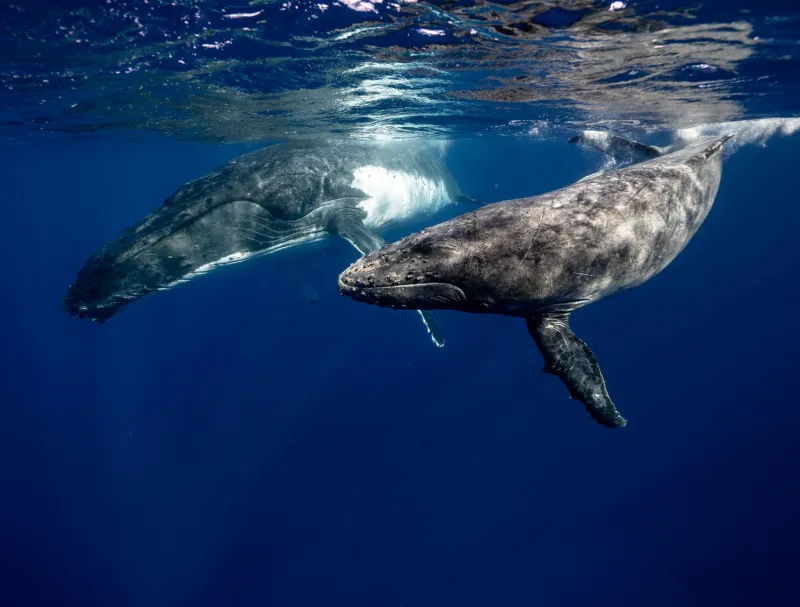
Let's be honest about how most Americans approach a trip to Tonga. They read about swimming with humpback whales, check when the whales are there (July through October), and book accordingly. That's a perfectly reasonable strategy — the whale season is genuinely incredible, and we've written about it ourselves.
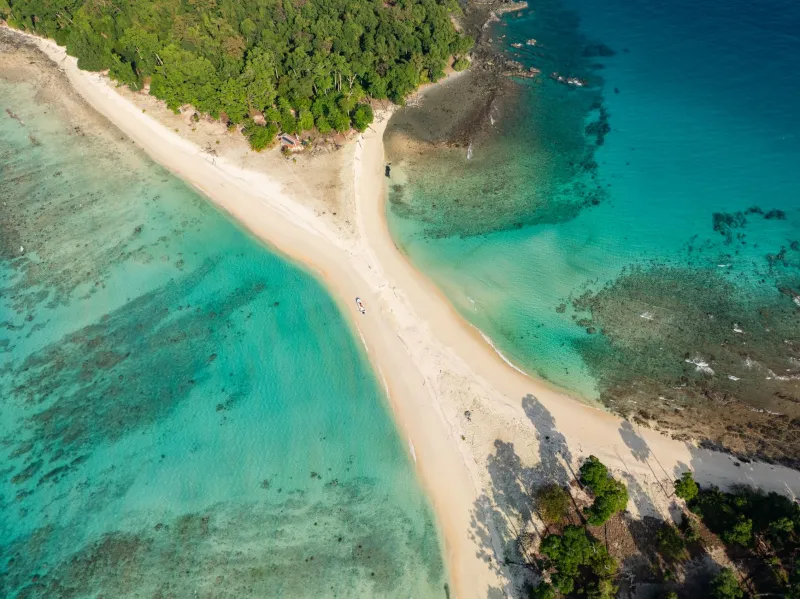
But here's the thing: Tonga is a living, breathing destination with 170-something islands, a rich cultural calendar, world-class surf, and a local population that actually lives there year-round. Treating it like a seasonal whale-watching popup does the place a disservice — and it might be costing you a better trip.
This is the case for the Tongan low season. Not as a consolation prize, but as a legitimate travel strategy.
First, Let's Reframe What "Low Season" Actually Means
In American travel culture, "off-peak" tends to conjure images of shuttered hotels, skeleton-crew service, and bad weather. That association makes sense in, say, a ski town in July. But it doesn't map cleanly onto a Pacific island nation.
Tonga's low season — roughly November through June — isn't dead. It's different. Temperatures are warmer. Rain is more frequent but rarely all-day. The crowds that descend during whale season (which, make no mistake, can make a small island feel surprisingly busy) are largely absent. Prices drop noticeably. And the cultural life of the islands — festivals, ceremonies, village events — continues completely independent of any whale migration.
For travelers who value depth over spectacle, that trade looks pretty appealing.
What You Actually Gain by Going Off-Peak
Surf That Peaks When the Tourists Leave
Tonga has a legitimate surf scene, particularly in the Ha'apai island group and around 'Eua. The best swells tend to arrive between April and October, with the shoulder months of April, May, and early June offering solid conditions before the whale-season crowds arrive. Surfers who time it right get uncrowded breaks, warm water, and no competition for boats or guides.
This is the kind of thing that gets quietly passed around in surf communities and almost never makes it into mainstream travel coverage. If you're a surfer, Tonga in May is worth a serious look.
Cultural Festivals You'd Otherwise Miss
Tonga's cultural calendar is anchored by events that have nothing to do with wildlife. The Heilala Festival, held in early July in Nuku'alofa, is one of the biggest — a week-long celebration tied to the King's birthday featuring traditional dance, music, and pageantry. But there are smaller village-level festivals, agricultural celebrations, and church events scattered throughout the year that offer a more intimate window into Tongan life.
Visiting during whale season means sharing the islands primarily with other tourists chasing the same experience. Visiting in February or March means you're more likely to encounter Tonga on its own terms.
The Price Difference Is Real
Flights from the US to Tonga already require some planning — you're typically routing through Fiji or New Zealand. During peak season, accommodation on Vava'u (the main whale-watching hub) fills up fast and charges accordingly. Off-peak, guesthouses and small resorts drop their rates meaningfully, sometimes by 30-40%. For a trip that already involves significant airfare, that's real money.
Addressing the Hesitation
The most common pushback on off-peak Tonga travel comes down to two concerns: weather and the sense that you're "missing" something.
On weather: yes, November through April is Tonga's wet season, and cyclone risk — while relatively low — is real. This is a legitimate consideration, and travelers should have travel insurance that covers weather disruptions. That said, rain in Tonga tends to come in bursts rather than sustained gray weeks. Many travelers find the lush, green landscape after a rain shower more visually striking than the dry-season brown.
On missing the whales: you are, in fact, missing the whales. But framing that as a loss assumes the whales are the only reason to go. If you've already done whale season and want a different experience — or if you simply can't make July through October work — the low season isn't a lesser version of Tonga. It's a different version, with its own genuine appeal.
Month-by-Month Breakdown
January – February: Peak wet season. Warm, humid, occasional heavy rain. Best for travelers who want rock-bottom prices and don't mind the possibility of a rainy afternoon. Beaches are quieter. Good for cultural immersion and slower-paced exploration.
March – April: Wet season winds down. Temperatures remain warm. Surf starts picking up, particularly in Ha'apai. A genuinely underrated window — weather is improving, prices haven't caught up yet, and the islands feel unhurried.
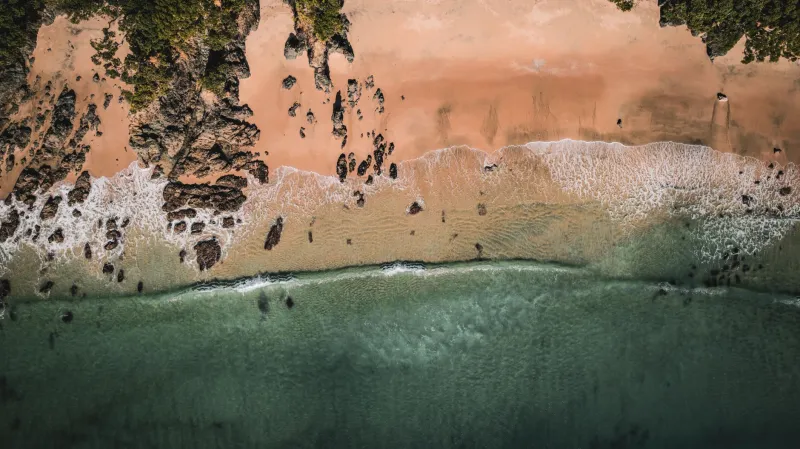
May – June: Shoulder season. Drier conditions, comfortable temperatures, and excellent surf. Whale season hasn't started, so accommodation is available and affordable. This is arguably the sweet spot for travelers who want good weather without peak-season pricing or crowds.
July – August: Peak whale season begins. Humpbacks arrive in Vava'u and Ha'apai. Busiest and most expensive period. The Heilala Festival falls in early July — if you're going during peak season, time it to catch the festival.
September – October: Whale season continues. Still busy, though some operators note that late September and October can offer slightly less crowded conditions as the season winds toward its end.
November – December: Whale season ends. Prices drop. Wet season approaches. A transitional window that suits budget travelers and those more interested in culture than wildlife.
The Bottom Line
There's no objectively wrong time to visit Tonga. The islands don't close, the hospitality doesn't disappear, and the landscape doesn't become less stunning because the humpbacks have moved on.
What changes is the experience. Peak season is spectacular and worth it for the right traveler. But the low season offers something increasingly rare in Pacific tourism: space. Space to explore, to connect with locals, to find your own rhythm on an island that isn't in competition mode.
If your travel philosophy trends toward authenticity over itinerary-checking, give the low season a serious look. You might find that the "wrong" time to go is exactly right for you.