That Tongan Coworker You've Been Ignoring Is Worth More Than Any Travel Agent
Photo: Dinesh Valke from Thane, India, CC BY-SA 2.0, via Wikimedia Commons
Somewhere in your orbit — your office, your church, your kid's soccer league — there's probably someone with deep roots in Tonga. Salt Lake City has one of the largest Tongan communities in the United States. So does Long Beach, San Mateo, and a dozen smaller cities you might not expect. The Tongan diaspora is woven quietly into American life, and most travelers planning a trip to the Kingdom walk right past their greatest possible resource without ever knowing it.
This isn't about using people. It's about understanding that in Tongan culture, connection is the currency — and approaching that truth with genuine respect opens doors that no amount of money or planning can replicate.
Why the Diaspora Connection Is Different
When Tongans emigrate, they don't leave the islands behind. They send remittances home. They fly back for funerals, weddings, and the coronation of a king. They maintain family obligations that span the Pacific Ocean like invisible threads. When you know someone in the diaspora, you're not just knowing a Tongan person — you're potentially connected to an entire family network that still lives, farms, fishes, and celebrates in the very villages you're hoping to visit.
That's a fundamentally different kind of travel resource than a guidebook or a travel blog. A guidebook tells you what a kava ceremony looks like. A diaspora connection might get you an actual seat in one.
How to Bring It Up Without Being Awkward
Here's the honest part: most Americans feel weird asking. There's a fear of coming across as transactional, or worse, like you're treating someone's cultural identity as a tourist amenity. That hesitation is understandable — and it's also something you can work around with a little thoughtfulness.
Start by expressing genuine curiosity about their experience, not just your upcoming trip. Ask about their family's home island before you ask for recommendations. Learn a few words of Tongan — malo e lelei (hello), mālō (thank you) — and use them sincerely, not performatively. Show that you've done some reading already. Nobody wants to give a geography lesson to someone who can't find Tonga on a map.
Once a real conversation is happening, it's completely natural to mention you're planning a trip. Most people with strong cultural ties to a place are genuinely happy to share — if they feel like you care about more than just the Instagram angle.
What to Actually Ask For
Not all advice is equally valuable, and not all connections translate to the same kind of help. Here's a rough framework:
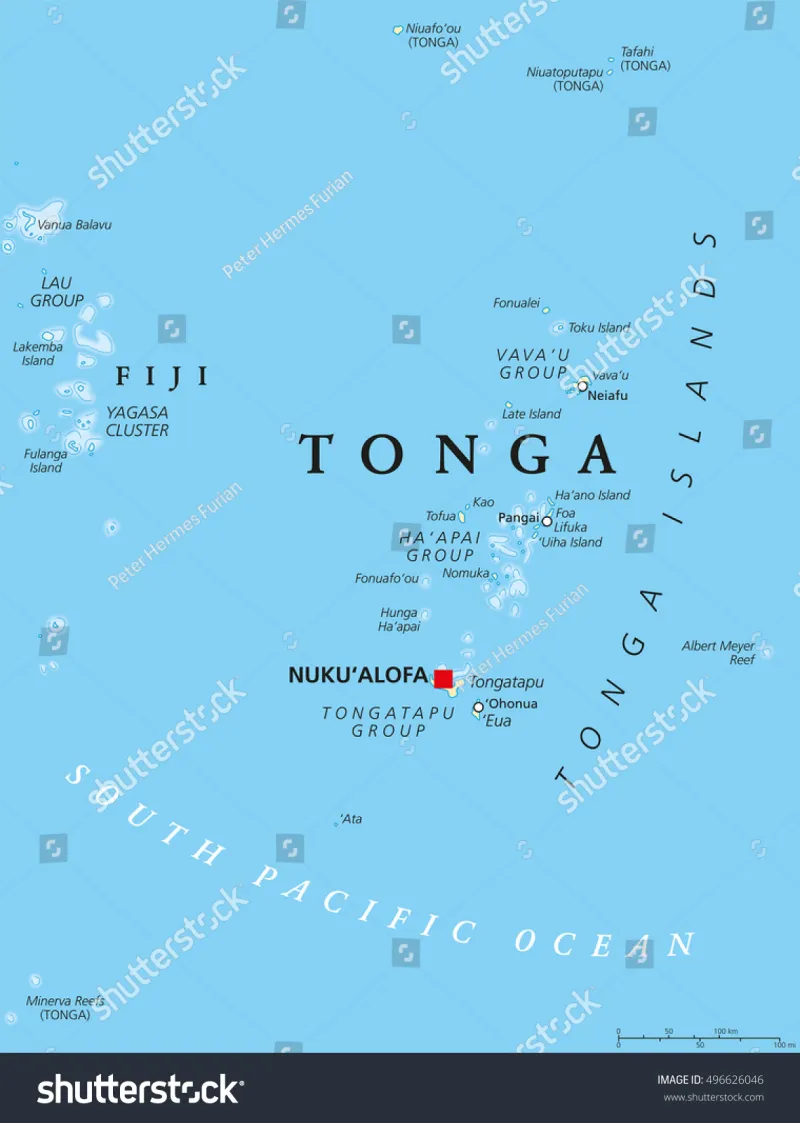
Village-level knowledge. If your connection's family is from Ha'apai or Vava'u, ask specifically about those islands. Tonga's island groups each have their own rhythm, personality, and local knowledge base. Someone from Pangai isn't necessarily the expert on 'Eua.
Introductions, not just recommendations. The most valuable thing a diaspora connection can offer isn't a restaurant name — it's a phone call made on your behalf. A message sent to a cousin saying "my American friend is coming, please look after them" carries enormous social weight in Tongan culture. It transforms you from a tourist into a guest.
Cultural prep. Ask what you should know before arriving. What should you wear to church? What do you bring when visiting someone's home? What will make you look respectful versus clueless? This kind of inside coaching is genuinely priceless — and it's the kind of thing that never makes it into travel guides because it's too specific and too human.
What not to do. This one matters. Ask directly: is there anything that visitors do that bothers people? You'll get answers that are more useful than anything you'll find on a forum.
Understanding What You're Walking Into
When a Tongan person facilitates your visit — especially if it involves their family — you're stepping into a web of social obligation that runs much deeper than hospitality. Tongans take fefakaʻapaʻapaʻaki (mutual respect) seriously. If someone's aunt hosts you for dinner, you're not just a guest at a table. You're a reflection of the person who sent you.
That means a few things practically. Bring a gift — something from your home state works well, or something practical for the household. Show up when you say you will. Eat what's offered. Don't photograph people or ceremonies without asking. And follow up afterward: a message back to your US contact saying "your family was so generous" matters more than you might think. It closes a social loop that Tongan culture takes seriously.
After You Return
The relationship doesn't end at the airport. If you experienced genuine hospitality — a family meal, a village welcome, someone's grandmother teaching you to weave — acknowledge it when you get home. Tell your diaspora connection what happened. Share a photo or two if it feels right. Ask how the family is doing.
This isn't just good manners. It's how relationships in Tongan culture actually work. Reciprocity is embedded in the social fabric. Your follow-through signals that you understood the gift you were given — and it keeps the connection alive in a way that might matter to you more than you expect.
Tonga has a way of staying with people. Having a human thread back to the islands — someone who can tell you how the family is doing, who can laugh with you about the thing that confused you, who can explain something you saw but didn't understand — turns a trip into something that keeps unfolding long after you're back at your desk.
That coworker you've been nodding at in the hallway for three years? Start a real conversation. You might be surprised where it leads.