Coming Home Feels Weird Now: What Tonga Does to the Way You See America

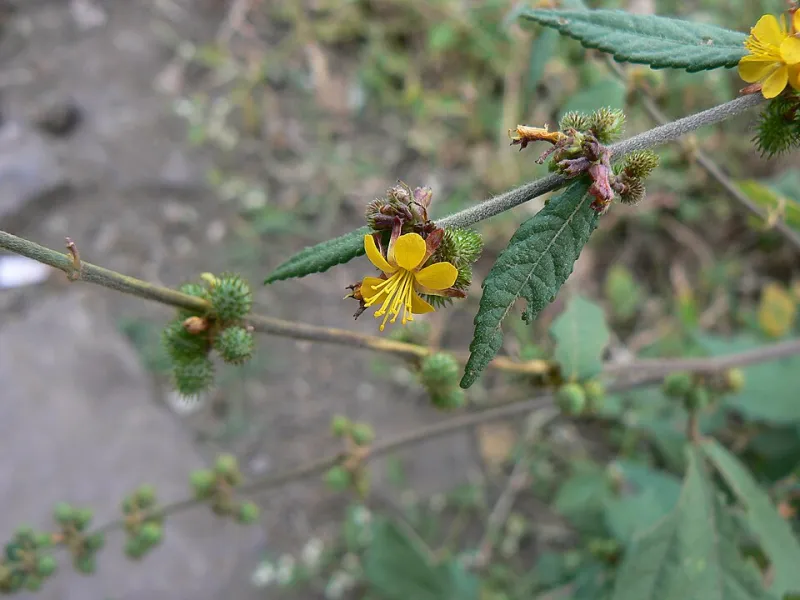
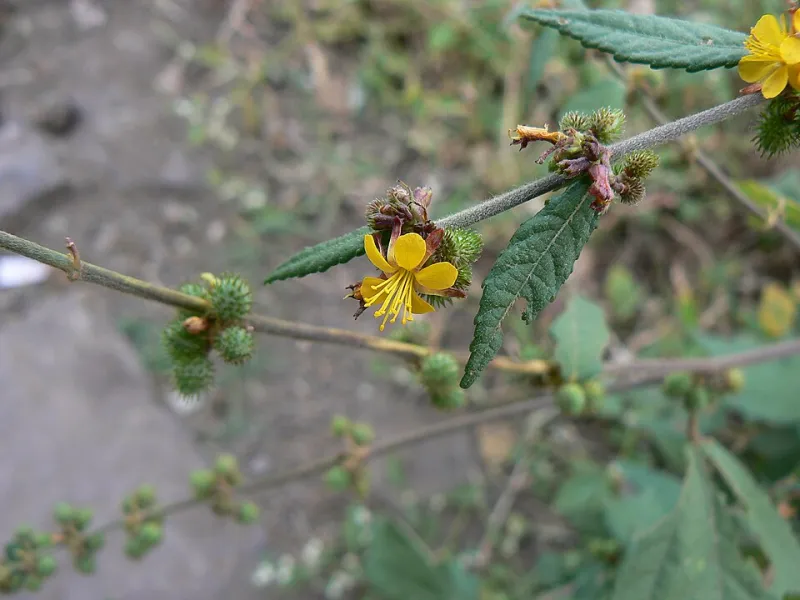
Photo: Alberto Giuliani, CC BY-SA 4.0, via Wikimedia Commons
You're back. Your luggage is on the carousel, your phone has reconnected to LTE, and there are forty-seven notifications waiting. The grocery store near your apartment has forty-three varieties of yogurt. Your neighbor is honking at someone who took too long at a green light. Your inbox contains seventeen emails that arrived while you were somewhere without reliable WiFi, all of them marked urgent.
And something feels profoundly, unsettlingly off.
This is reverse culture shock — and if you've just returned from Tonga, there's a good chance you're feeling a version of it right now. It doesn't happen to every traveler who visits a Pacific island. But Tonga, specifically, has a reputation for doing something to people. Something that's hard to articulate but very easy to feel the moment you're standing in a CVS at 10pm wondering why you're mildly overwhelmed by the shampoo aisle.
What Makes Tonga Different Enough to Shift You
Not every destination produces this effect. Plenty of beautiful, remote places leave travelers feeling refreshed without fundamentally reorganizing their worldview. Tonga tends to go deeper than that, and it's worth understanding why.
First, there's the pace. Tonga operates on what locals and long-term visitors sometimes call "Tonga time" — a relationship with schedules and urgency that is genuinely, structurally different from American professional culture. Buses run when they run. Meals arrive when they're ready. Events begin when the people arrive. This isn't dysfunction; it's a different set of values about what time is for. After two weeks of living inside that rhythm, returning to a culture where three-minute email response times are an implied professional obligation can feel like being snapped back with a rubber band.
Second, there's the community structure. Tongan society is deeply, practically communal. The extended family (kainga) functions as a social safety net, a decision-making body, and an emotional ecosystem all at once. Resources are shared. Obligations are real. People show up for each other in ways that American individualism doesn't really have a framework for. Witnessing that — especially if you experienced genuine Tongan hospitality — makes a lot of American social architecture feel thin by comparison.
Third, there's the absence of relentless commercial noise. Tonga isn't trying to sell you anything at every moment. There are no billboards on the road between villages. No targeted ads following you around. No ambient pressure to optimize, upgrade, or consume. The quiet of that is startling at first and deeply settling by the end. Re-entering American consumer culture after that experience can feel like walking back into a room where everyone is shouting.
The Specific Things That Will Probably Bother You
Every returning traveler's experience is slightly different, but certain themes come up consistently among Americans who've spent meaningful time in Tonga:
The speed of everything. American efficiency is a real thing, and it's not all bad — but after Tonga, the relentless optimization of daily life can feel exhausting rather than impressive. The self-checkout machine that saves forty-five seconds. The app that eliminates the conversation. The meeting that could have been an email. You'll notice it all differently.
The amount of stuff. Tongan households, especially in villages, are not defined by accumulation. People have what they need. The contrast with American homes — the storage units, the closets, the garage sales — hits differently after you've eaten a meal in a home with almost nothing in it and felt genuinely welcomed.
Loneliness hiding inside busyness. This one is harder to talk about but important. American social life is often scheduled, transactional, and exhausting to maintain. Tongan social life tends to be ambient — people are simply around each other, without an agenda. Coming home to a culture where meaningful connection requires a calendar invite can feel isolating in a way it didn't before.
Your own phone habits. You'll catch yourself reaching for your phone in moments that, two weeks ago, you would have simply sat in. The discomfort of that gap — between the stillness you found and the reflexive stimulation you've returned to — is real and worth paying attention to.
Frameworks for Actually Processing It
Reverse culture shock isn't a problem to be solved. It's information. Here's how to work with it rather than against it:
Name it. Seriously — just knowing that what you're feeling has a name and is a documented psychological experience shared by returning travelers makes it easier to hold. You're not being dramatic. You're recalibrating.
Write it down before it fades. The specific observations you're making in your first week home are the most valuable. They'll blur as you re-acclimate. Journal them, voice-memo them, text them to yourself — whatever works. The clarity of that early window is worth capturing.
Find the thing you want to keep. Not everything about Tonga translates to American life, and that's okay. But usually there's one or two things — a pace of eating, a practice of stillness, a way of showing up for someone — that can be carried forward. Identify it specifically rather than mourning the whole experience in the abstract.
Connect with other people who've been there. The Tongan diaspora communities across the US aren't just a travel resource before your trip — they're a way to stay connected to something real afterward. Pacific Islander community events, cultural organizations, church communities open to visitors — these exist in most major American cities and offer a thread back to what you experienced.
The Part Nobody Tells You
Here's what the travel guides don't say, because travel guides are supposed to sell you on the destination, not prepare you for the emotional aftermath: Tonga might make you a slightly less comfortable American. Not in a bad way. In a way that makes you question things worth questioning.
The consumerism that felt normal before might feel hollow now. The busyness you wore like a badge might feel less like productivity and more like avoidance. The way you treat time — your own and other people's — might start to seem like a choice rather than a given.
That discomfort is the gift. It means something real happened to you in those islands. The question isn't how to get back to normal as fast as possible. The question is what you want to do with the version of yourself that came home.