Your Tongan-American Neighbor Knows More Than Any Guidebook — Here's How to Ask
Photo: Dinesh Valke from Thane, India, CC BY-SA 2.0, via Wikimedia Commons
Most Americans planning a trip to Tonga spend hours scrolling through travel forums, watching YouTube vlogs, and cross-referencing hotel reviews. That's all fine. But there's a shortcut that almost nobody takes: talking to a Tongan-American.
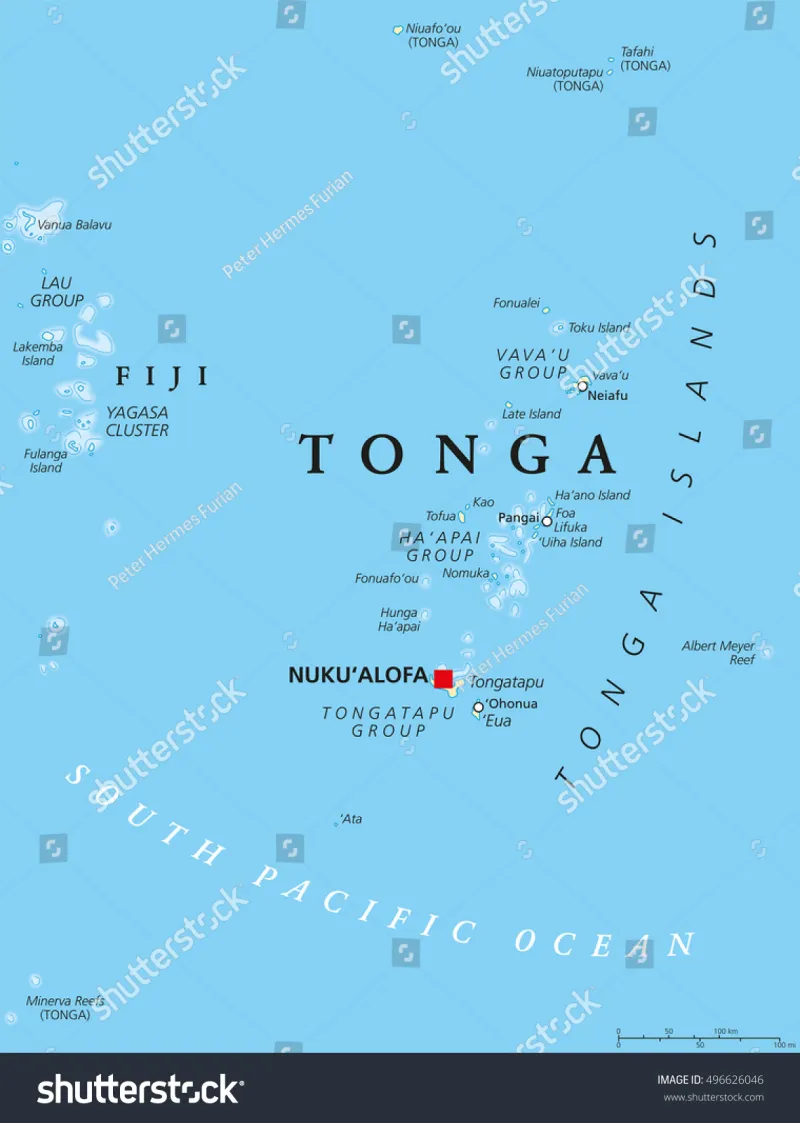
Tonga has one of the highest rates of emigration relative to its population of any nation on Earth. Tongan communities are scattered across the US — concentrated in places like Salt Lake City, the Bay Area, and Los Angeles, but present in dozens of cities in between. These families maintain deep, active ties to the islands. Grandparents still live in Ha'apai. Cousins are getting married in Vava'u next summer. Someone's aunt just opened a small guesthouse outside Nuku'alofa. The information these communities hold is fresher, more specific, and more honest than anything you'll find in a published guide.
The trick is knowing how to ask.
Why Diaspora Knowledge Is Different
Guides and travel blogs tend to describe Tonga from the outside looking in. They'll tell you the beaches are stunning (they are), the humpback whales are unmissable (also true), and that Tongans are famously warm and welcoming (absolutely). What they rarely tell you is which village market has the best lu pulu on a Saturday morning, or that a certain stretch of road floods in a way that GPS doesn't account for, or that showing up to a family's home with a store-bought cake instead of homemade food is quietly noted.
Tongan-Americans carry that granular, lived-in knowledge. They grew up hearing stories, visiting during summers, sending remittances, and navigating the space between two cultures. That dual perspective makes them uniquely qualified to explain not just what Tonga looks like to a visitor, but what it feels like from the inside.
They can also tell you what's changed recently — a critical advantage in a place where infrastructure, ferry schedules, and even which resorts are still operating can shift without much online documentation.
Where to Actually Find This Community
If you don't already have a Tongan-American connection in your personal network, here's where to start:
Churches. The Free Wesleyan Church, the Church of Jesus Christ of Latter-day Saints, and the Catholic Church all have significant Tongan congregations in major US cities. These aren't just religious spaces — they're community hubs where cultural knowledge gets exchanged weekly. You don't need to be a member to reach out respectfully.
Social media groups. Facebook still reigns in many Pacific Islander communities. Search for groups like "Tongans in [your city]" or broader Pacific Islander community groups. Many are open to respectful questions from people planning visits.
Tongan cultural events. Cities with larger Tongan populations host cultural festivals, particularly around Heilala Festival season (July). Showing up, buying food, watching performances, and simply introducing yourself goes a long way.
College Pacific Islander student organizations. Many universities — especially in California and Utah — have active Pacific Islander clubs. Students are often happy to chat about their heritage, especially when someone shows genuine curiosity.
How to Ask Without Making It Weird
Here's the thing: most Tongan-Americans are genuinely delighted when someone expresses real interest in visiting the islands. But there's a right way to approach it.
Lead with curiosity, not a checklist. Don't open with "what's the best restaurant in Nuku'alofa?" Open with something more personal: "I'm planning my first trip to Tonga and I'd love to understand what I might be missing as an outsider. Would you be willing to share what it means to you?"
That framing signals respect. It acknowledges that their connection to Tonga isn't just a travel data point — it's personal, layered, and worth more than a quick Google answer.
Ask about family, not just logistics. "Where is your family from in Tonga?" opens doors that "what's the best beach?" never will. Once someone is talking about their village, their grandmother's cooking, the way the ocean looks from their family's land — that's when the real travel intelligence comes out.
Don't treat the conversation as a transaction. If someone spends thirty minutes sharing stories and advice, follow up. Send a postcard when you're there. Tell them what you saw. That reciprocity matters deeply in Tongan culture, and it should matter to you too.
What You'll Learn That No App Can Tell You
Here's a sampling of the kinds of insights diaspora conversations tend to surface:
The emotional geography of the islands. Which beaches feel sacred to local families. Which areas have historical significance that isn't marked on any tourist map. Which villages are known for specific crafts, foods, or ceremonies.
The unwritten social rules. How to behave as a guest in someone's home. What gifts are genuinely appreciated versus what reads as thoughtless. How to participate in a kava ceremony without accidentally offending anyone.
What's actually available right now. Tonga's tourism infrastructure can be inconsistent. A resort that was operating two years ago might be closed. A ferry that's theoretically on the schedule might not be running. Diaspora families with relatives on the islands often have current, real-time information that travel sites simply don't.
The things worth slowing down for. Not the Instagram moments — the quiet ones. The Sunday afternoon when a family invites you to sit and eat. The morning market that starts at 5am and is over by 8. The fishing trip that happens because someone's uncle offered and you said yes.
How Diaspora Communities Are Changing Pacific Tourism
There's a broader shift happening here worth noting. Tongan-Americans and other Pacific Islander diaspora communities in the US are increasingly active in shaping how their homelands are represented and visited. Some are building travel businesses that explicitly connect tourists with family-run accommodations and cultural experiences. Others are writing, creating content, and pushing back against the "pristine paradise" narratives that flatten Pacific cultures into backdrops for American vacation photos.
Engaging with these communities before your trip isn't just a travel hack. It's a way of participating in a more honest, reciprocal form of tourism — one where the people whose homeland you're visiting have some say in how you show up.
Tonga will be extraordinary no matter how you arrive. But if you've had a real conversation with someone who grew up between two worlds — one rooted in the Pacific, one planted in America — you'll land with something most travelers never have: context.
And in Tonga, context changes everything.