Forget the Crowds: Tonga's Underwater World Is the Pacific Dive Secret Serious Explorers Have Been Keeping
The Reef Nobody's Talking About
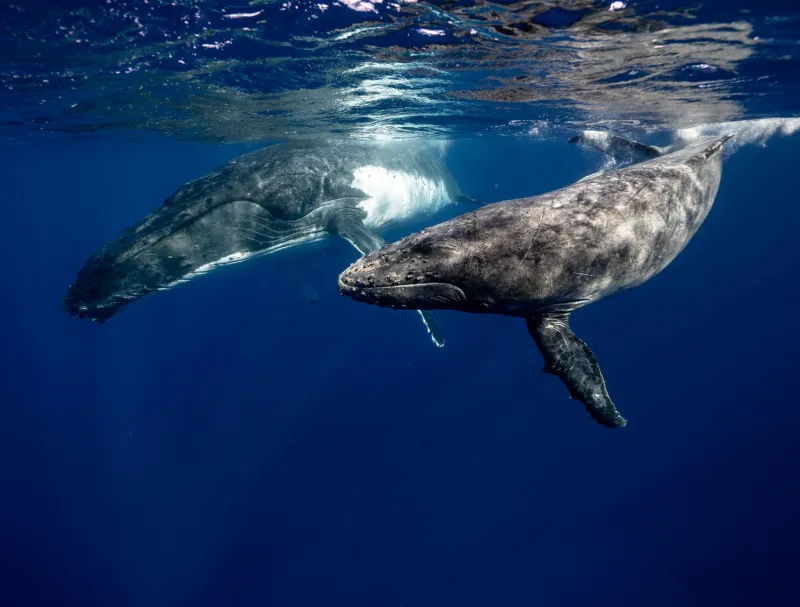
Mention Tonga to most American travelers and they'll immediately picture humpback whales — those massive, barnacled giants that draw wildlife photographers and snorkelers from July through October. And sure, that experience is extraordinary. But here's what the dive community has quietly figured out: Tonga's underwater world doesn't begin and end with whale season.
Scattered across the Kingdom's three main island groups are coral systems, caverns, and drop-offs that rival anything you'd find along Australia's famous reef corridor — without the package-tour crowds, the inflated price tags, or the long queues at the dive platform. If you're a certified diver looking for your next serious underwater adventure, Tonga deserves a much longer look.
What's Actually Down There
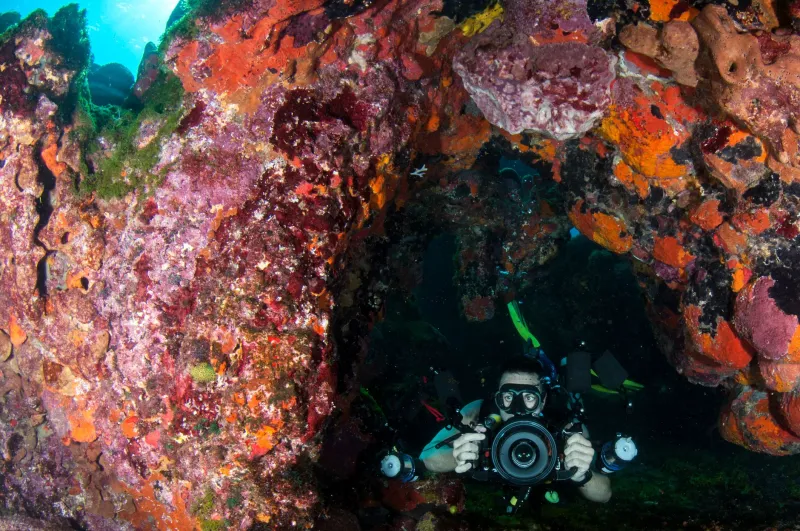
Tonga sits at the southwestern edge of the Coral Triangle — the global epicenter of marine biodiversity — which means the species count here is genuinely impressive. Divers routinely log sightings of Napoleon wrasse, reef sharks, eagle rays, and massive schools of barracuda. Soft coral gardens in shades of orange, pink, and violet drape over limestone formations that have been sculpted by centuries of wave action and volcanic activity.
The visibility is one of Tonga's biggest selling points. In the Ha'apai group especially, where human traffic is minimal and coastal development essentially nonexistent, underwater visibility frequently stretches to 30 meters or more. That kind of clarity changes the whole experience — you're not just seeing the reef directly in front of you, you're taking in the full scale of a wall or a coral plateau stretching off into electric blue distance.
Ha'apai: The Diver's Best-Kept Secret
If Vava'u is Tonga's well-known sailing and whale-watching hub, Ha'apai is the place where divers go when they actually want to be left alone with the ocean.
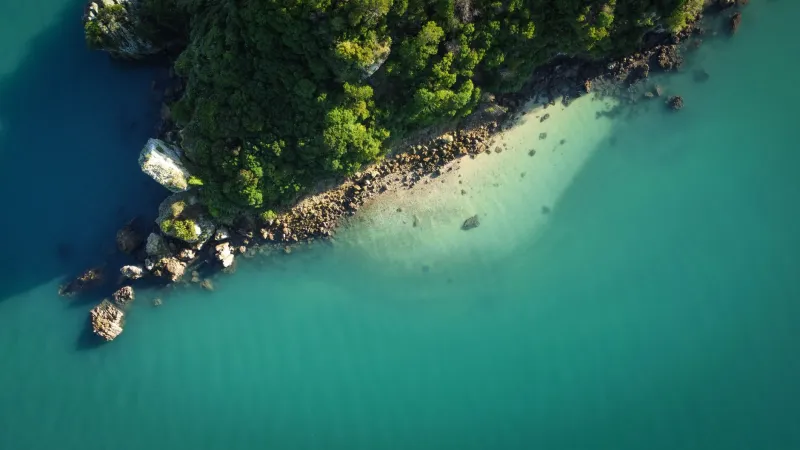
This remote central group — a loose constellation of low-lying islands and atolls roughly halfway between Nuku'alofa and Vava'u — sees a fraction of the tourist traffic that moves through the rest of the country. Infrastructure is basic, the pace is genuinely slow, and the dive sites are largely unexplored by international standards.
Mango Island and the waters around Uoleva offer reef systems where you're more likely to encounter a sea turtle than another diver. The Ha'afeva seamount area draws pelagic species that simply don't show up in busier, more trafficked waters. A few local operators run day trips out of Pangai, the group's main town, but serious divers often opt for liveaboard arrangements that let them cover more ground without racing back to a guesthouse each evening.
One caveat worth noting: Ha'apai's remoteness is also its logistical challenge. Getting there requires a domestic flight or ferry from Nuku'alofa, and dive infrastructure is nowhere near as polished as what you'd find at a dedicated resort in, say, the Maldives. Pack patience alongside your BCD.
Vava'u: More Accessible, Still Spectacular
For American divers who want a slightly smoother logistical experience without sacrificing quality, Vava'u hits a sweet spot. The northern island group is well set up for tourism — there are reliable domestic flights from Nuku'alofa, a solid handful of dive operators, and accommodations ranging from budget guesthouses to comfortable boutique resorts.
The dive highlights here are varied. The Swallows Cave, a dramatic sea cavern accessible by boat near Kapa Island, is one of Tonga's most iconic underwater experiences — shafts of sunlight pierce the cave ceiling and illuminate the water in ways that'll burn themselves into your memory. Mariner's Cave, nearby, requires a short underwater swim through a submerged entrance, making it a slightly more adventurous option that experienced divers tend to love.
Beyond the caves, Vava'u's outer reef systems offer strong drift diving when conditions align, with currents that funnel in nutrients and attract the kind of pelagic action — oceanic whitetip sharks, manta rays on the right day — that makes open-water diving feel genuinely wild.
Comparing the Cost to the Great Barrier Reef
Here's where the numbers get interesting for American travelers doing their homework. A week of liveaboard diving on Australia's Great Barrier Reef — factoring in flights to Cairns or Port Douglas, the liveaboard itself, and associated costs — routinely runs $4,000 to $6,000 or more per person. And you'll be sharing that experience with a lot of other people.
Tonga's equivalent, while requiring a longer initial flight, comes in significantly cheaper once you're in-country. Day dives out of Vava'u typically run $80–$120 USD for a two-tank trip with a local operator. Liveaboard options, which are smaller and more expedition-style than the polished Australian vessels, can be arranged for considerably less per day. The marine life quality is legitimately comparable — and the crowd situation isn't even close.
The Best Operators for American Divers
A handful of Vava'u-based operators cater specifically to visiting international divers and are accustomed to working with Americans. Dive Vava'u and Beluga Diving are two names that come up consistently in the dive community — both are PADI-affiliated, run well-maintained equipment, and have English-speaking guides who know their local sites thoroughly.
For Ha'apai, the options are thinner but not nonexistent. Reaching out to operators in advance is essential — this isn't a walk-in situation. Some liveaboard operators based in Fiji or New Zealand run periodic expeditions that include Ha'apai in their itineraries, which can be a smart way to access the area with more logistical support.
When to Plan Your Trip
Tonga's dive conditions are genuinely good for much of the year, but the sweet spot for most American divers is May through November. Water temperatures during this window range from roughly 73°F to 80°F — comfortable in a 3mm wetsuit — and visibility tends to be at its peak before the austral summer brings increased rainfall and some reduction in water clarity.
July through October overlaps with whale season, which means you can theoretically combine a dedicated dive itinerary with the chance to encounter humpbacks in open water — one of those rare travel experiences that feels almost too good to be real.
If you're primarily chasing marine biodiversity rather than whale encounters, shoulder months like May, June, and November offer solid conditions with even fewer other travelers in the water.
The Bottom Line
Tonga was never going to compete with the marketing machine behind the Great Barrier Reef. It doesn't have the name recognition, the resort infrastructure, or the decades of international promotion. But for divers who prioritize the actual underwater experience over the amenities surrounding it, that obscurity is the whole point.
The sites in Ha'apai and Vava'u are legitimately world-class. The visibility is extraordinary. The marine life is diverse and largely unbothered by human pressure. And the cost of getting there and diving there — while not trivial — is meaningfully lower than what you'd spend chasing a similar experience in more famous waters.
If your next dive trip is still taking shape, it might be worth letting Tonga move up the list.