Underground, On Fire, and Absolutely Delicious: Inside the Tongan Umu Feast
Somewhere between a Southern barbecue and a Thanksgiving dinner — but older, more deliberate, and way more communal — sits the Tongan umu. It's a feast built underground, cooked on volcanic stones, and surrounded by protocols that have been running the same way for centuries. If you're heading to Tonga and someone invites you to an umu, drop everything. Say yes. This is one of those rare travel moments that actually changes how you think about food, family, and what a meal is supposed to do.
But before you show up hungry and clueless, it helps to understand what you're walking into.
What Is an Umu, Exactly?
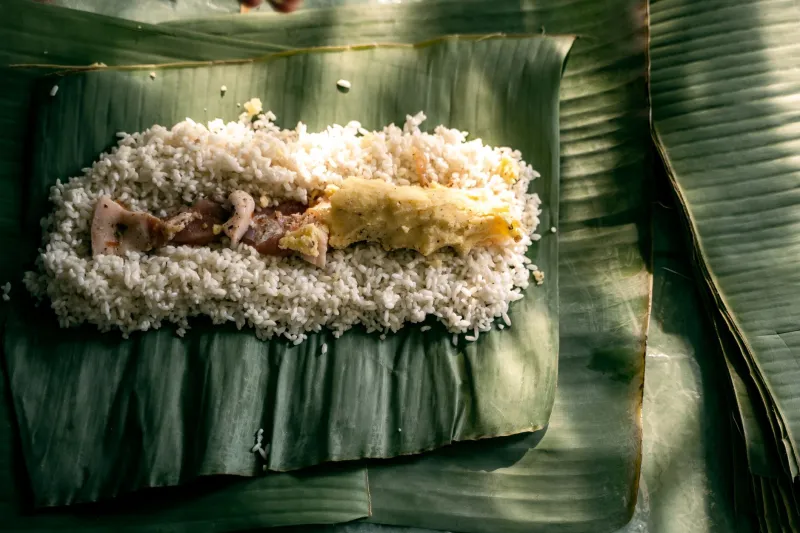
The umu is Tonga's traditional earth oven — a pit dug into the ground, lined with volcanic rocks, and heated with a fire built directly on top of those stones. Once the rocks reach the right temperature (and Tongan cooks know this by sight and feel, not by thermometer), the fire is cleared away and the food is layered in. Everything gets wrapped in banana leaves, covered with more leaves and burlap sacks, and left to steam and slow-cook for several hours.
The result is food that's simultaneously smoky, tender, and earthy in a way that no conventional oven can replicate. Think of it as the Pacific Islands' answer to a New England clam bake, except the flavors run deeper and the occasion carries more weight.
Umus happen most commonly on Sundays — Tonga's sacred day of rest — and for major celebrations like weddings, funerals, church fundraisers, and royal commemorations. In a country where Sunday is essentially untouchable (restaurants close, businesses shut down, the whole island exhales), the umu is how families feast together without violating the spirit of the Sabbath. Cooking the umu actually begins on Saturday, with preparation carrying into the early hours of Sunday morning.
What's Actually in There?
Open up an umu and you'll find a spread that reads like a greatest hits of Tongan agriculture and ocean life. Here's what to expect on the mat:
Lu Pulu is probably the dish most visitors remember longest. It's corned beef and coconut cream wrapped tightly in taro leaves and slow-cooked until the leaves turn silky and the filling becomes something close to a savory, fatty dream. Don't skip it.
Taro shows up in multiple forms — whole roasted taro root, taro leaves, and sometimes taro prepared as a starchy side. It's the backbone of the Tongan diet and the most important crop on the island. Expect it to anchor the spread.
Pork is the centerpiece protein. Whole pigs, or large cuts, go into the umu and come out fall-apart tender with a faint char on the outside. At ceremonial feasts, the quality and size of the pork reflects the host family's generosity and status.
Cassava and sweet potato fill out the starch category, roasted alongside the taro and absorbing all that stone-cooked smokiness.
Fish and seafood vary by island group. In the Ha'apai and Vava'u island groups especially, fresh reef fish wrapped in banana leaves and coconut cream are common additions.
Ota ika — a Tongan-style raw fish marinated in lime juice and coconut cream — sometimes accompanies the umu spread as a cold counterpoint to all that slow-cooked richness. Think ceviche, but creamier.
Who Eats First — and Why It Matters
This is where the umu becomes a cultural document as much as a meal. Tongan society runs on a ranked hierarchy, and the umu table reflects that hierarchy precisely.
Chiefs, elders, and honored guests eat first. Men, traditionally, eat before women in formal settings. The hosts — often the women who spent hours preparing the food — may eat last, or separately. Children wait. Younger family members serve.
For American travelers used to the casual chaos of a backyard cookout, this can feel unfamiliar. Resist the urge to insist that everyone eat together or that the host join you immediately. The act of serving is itself a form of respect and participation. Accepting that service graciously, without awkwardness or excessive protest, is actually the polite move.
If you're invited as a guest of honor (which, as a foreign visitor, you very well might be), you'll likely be seated first and served the choicest cuts. Accept them. Eat genuinely. Compliment the food directly and specifically — "the lu pulu is incredible" lands better than a vague "everything is so good."
How to Find an Authentic Umu Experience (Not a Tourist Show)
Here's the honest truth: some umu experiences marketed to visitors are essentially dinner theater. The food might still be good, but the cultural depth gets flattened for convenience. If that's all you can access, it's still worth doing. But there are better options.
Homestays and family guesthouses are your best shot at the real thing. Properties like 'Ene'io Botanical Garden and Beach Resort on Vava'u, or smaller family-run guesthouses on 'Eua, sometimes include Sunday umu meals as part of a genuine family gathering rather than a staged event. Ask directly when booking: "Is the umu prepared for your family, and are guests joining that meal?" The answer will tell you a lot.
Church connections open another door. Tongan churches — most commonly Free Wesleyan, Catholic, or Church of Tonga congregations — frequently host community feasts after Sunday services. If you've built any rapport with a local contact or your guesthouse host is a church member, ask whether visitors are ever welcome. This is not a guaranteed invitation, but Tongan hospitality is genuinely expansive, and the answer is often yes.
Cultural tour operators in Nuku'alofa and Vava'u sometimes run small-group umu experiences that prioritize authenticity. Teta Tours, based in Nuku'alofa, has a solid reputation for culturally grounded programming. Ask specifically whether the umu is prepared by a local family in their home setting versus a resort kitchen.
What to Bring and How to Show Up Right
If you're attending an umu as a guest in someone's home or community:
- Bring something. A contribution of food, a modest gift, or a small cash donation (especially for church-connected feasts) is appropriate and appreciated. Ask your guesthouse host what's customary.
- Dress modestly. Shoulders covered, knees covered. This is especially important if the feast follows a church service.
- Arrive on time but don't rush the food. Umu cooking can run long. Relax into it.
- Sit when directed. Don't choose your own spot at a formal feast — wait to be guided.
- Eat more than you think you should. Leaving food untouched can read as a slight. Eating enthusiastically is a compliment.
- Learn one phrase: Mālō 'aupito — "thank you very much" in Tongan. Say it to the people who cooked. Say it more than once.
Why This Meal Is Worth Building Your Trip Around
A lot of travel food experiences are passive — you sit, it arrives, you eat, you leave. An umu is participatory in a different way. Even as a guest, you're inside a living system of relationships, obligations, and values. You're watching a family express love through labor. You're tasting the result of knowledge passed down across generations without a recipe card in sight.
Tonga doesn't have a lot of the infrastructure that makes travel easy. That's part of its appeal. And the umu is the same way — it takes time, it requires heat and patience and coordination, and the payoff is something you genuinely cannot get anywhere else. Book the trip. Find the feast. Eat the lu pulu.