Pack This, Not That: A US Traveler's Guide to Gift-Giving in Tonga
Pack This, Not That: A US Traveler's Guide to Gift-Giving in Tonga
Most American travelers spend weeks agonizing over what to pack for a trip to Tonga — sunscreen, reef-safe of course, a good waterproof bag, maybe a dry bag for whale watching. What rarely makes the packing list? Gifts. And that's a mistake that can quietly color your entire experience in the Kingdom.
Tonga isn't like most destinations where a polite smile and a thank-you card does the trick. Here, gift-giving — called koloa in its broader cultural sense — is woven into the social fabric of everyday life. It signals respect, acknowledges relationships, and communicates something deeper than words can. Get it right, and you'll find doors opening in ways no guidebook can manufacture. Get it wrong, and you may leave a family feeling slighted without ever knowing why.
Here's what you actually need to know before you land in Nuku'alofa.
Why Gifts Matter So Much in Tongan Culture
Tonga operates on a gift economy in a way that's genuinely foreign to most Westerners. Reciprocity and generosity aren't just nice-to-haves — they're foundational to how relationships are built and maintained. Whether you're visiting a local family, attending a church service, or being welcomed into someone's home for a meal, the exchange of gifts is part of how trust is established.
This isn't about the dollar value of what you bring. In fact, an expensive but culturally tone-deaf item will land far worse than something modest and thoughtful. What Tongans respond to is the intention behind the gesture — evidence that you took their customs seriously enough to prepare.
Think of it less like souvenir-shopping and more like showing up to a friend's dinner party in the States. You wouldn't arrive empty-handed. Same energy, much deeper stakes.
What to Actually Bring
So what goes over well? A few categories consistently hit the mark.
Food staples are almost always welcome. Tinned corned beef (known locally as pisupo) is a classic, and yes, Americans are often surprised to learn that canned meat is a genuinely valued gift in Tonga. It has historical roots going back to trade with Europeans, and today it carries a warm, familiar connotation. Canned fish, sugar, flour, and tea are similarly appreciated — practical, shareable, and communal.
Kava root is another strong choice if you're visiting a male-led household or attending a traditional gathering. Kava ('ava in some island dialects) is central to Tongan ceremony and social life. Bringing a bundle of dried kava root signals cultural awareness and earns immediate respect. You can sometimes source it before your trip through Pacific Islander grocery stores in US cities like Salt Lake City, Los Angeles, or parts of the Bay Area.
Fabric and fine mats carry enormous cultural significance in Tonga — these are the traditional koloa fefine (women's wealth) — but as a traveler, you're unlikely to source authentic versions. What you can do is bring quality cloth or fabric as a practical substitute. Floral prints and bright patterns tend to be appreciated.
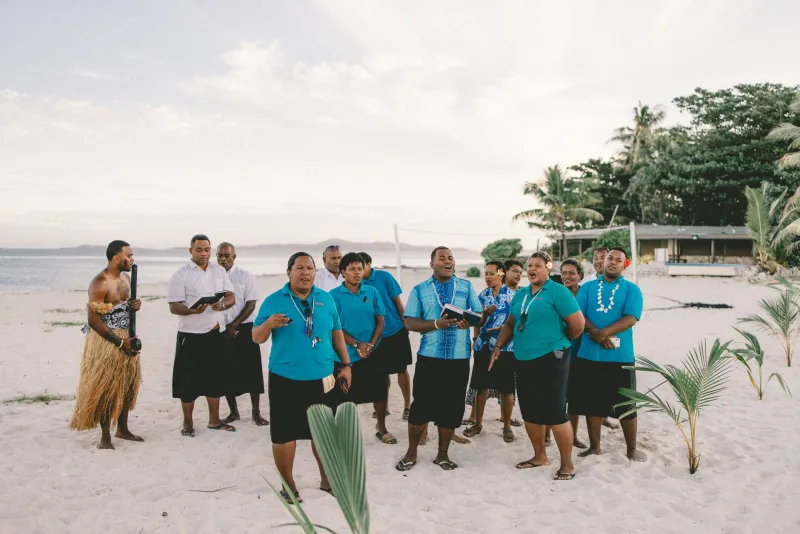
Church-appropriate items work well if you're attending a Sunday service with a local family, which many visitors end up doing. A modest cash donation placed in an envelope for the collection is standard and respectful. Small Bibles or devotional books can also be meaningful, particularly for older community members.
What to Leave at Home
Avoid alcohol entirely unless you know your host family very well and are certain they drink. Tonga has a strong religious culture — the majority of Tongans are Christian, and many households are strictly dry. Bringing wine or spirits to the wrong household is the kind of blunder that lingers.
Skip anything overly branded or logo-heavy. American pop culture merchandise doesn't translate the way you might hope, and it can come across as thoughtless. Similarly, avoid anything that might be perceived as extravagant in a showy way — Tongan gift culture isn't about impressing people with price tags.
Perfume and cologne can be hit or miss. Stick to unscented or lightly scented options if you go this route, and only for people you've already met.
The How Matters as Much as the What
In Tonga, presentation and timing are nearly as important as the gift itself. A few things to keep in mind:
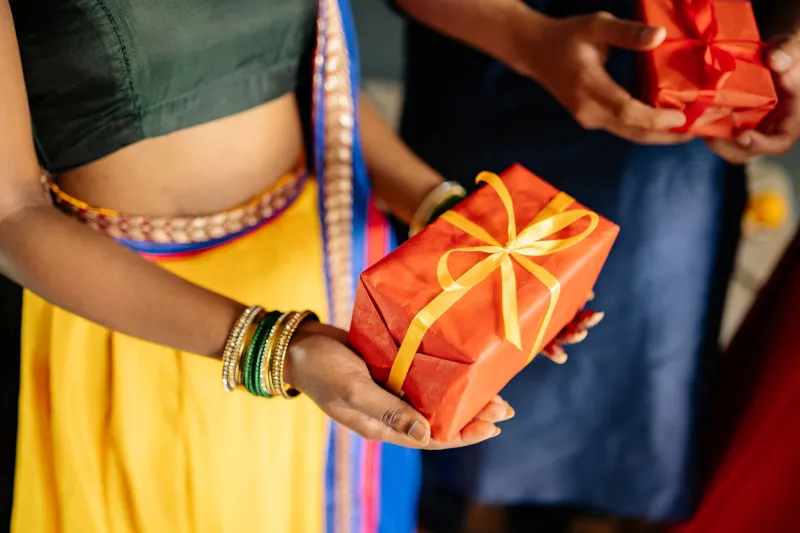
Use both hands when presenting a gift. Offering something with one hand — especially your left — reads as careless or disrespectful. Two hands, a slight bow of the head, and a warm smile communicate deference and sincerity.
Don't make a big show of it. Americans are often wired to present gifts with fanfare — "I brought this especially for you!" In Tonga, a quieter, more understated handoff is usually more appropriate. Let the gesture speak for itself.
Timing matters by context. At a family visit, gifts are typically presented when you arrive, before you sit down to eat or talk. In a church setting, monetary offerings happen during the service itself. At formal occasions like weddings or funerals (me'a ola and putu respectively), gifts are often presented in a more structured, ceremonial way — follow the lead of whoever is hosting you.
Gifts may not be opened immediately. Don't read anything into this. In many Tongan households, gifts are set aside and opened later, away from the giver. It's not rudeness — it's a way of avoiding any appearance of greed or excessive excitement.
A Note on Formal and Ceremonial Occasions
If you're lucky enough to be invited to a wedding, a kava ceremony, or a first birthday celebration (fahu), the gift stakes go up a notch. These are significant social events where the exchange of koloa — including fine mats and bark cloth — is central to the proceedings.
As a foreign guest, you won't be expected to arrive with a ceremonial mat. But a generous food contribution, a cash gift presented in an envelope, or a basket of pantry staples wrapped neatly in cloth can be genuinely touching. When in doubt, ask your accommodation host or a local contact what would be appropriate. Tongans are generally warm and direct — they'll tell you.
Make It Count
Here's the thing about gift-giving in Tonga: it's not a transaction. It's a language. And like any language, even clumsy attempts made with genuine effort are appreciated far more than silence.
You don't need to get every detail perfect. What you need is to show up having thought about it — having made space in your suitcase and your intentions for the people you're about to meet. That effort, more than anything you could buy, is what Tongans will remember about you long after your flight home.
So yes, pack the reef shoes and the underwater camera. But leave room for a bundle of kava root and a few cans of corned beef. They might just be the most important things you bring.