Two Kingdoms, One Trip: How to Combine Tonga and Samoa into the Ultimate Pacific Adventure
Most Americans who start researching Tonga eventually stumble onto the same realization: getting there already requires a long-haul Pacific crossing, so why not make the most of it? Samoa sits just a few flight hours away from Tonga's main island of Tongatapu, and the two destinations offer experiences so distinct from each other that visiting both in a single trip doesn't feel like overloading your itinerary — it feels like getting the full picture of what the South Pacific actually is.
This isn't a guide about rushing through two countries in a blur. It's about understanding why these two places complement each other beautifully, how the logistics actually work from the US, and what a realistic two-week itinerary looks like when you decide to go all in.
Why These Two Destinations Work So Well Together
Tonga and Samoa are often lumped together in the general category of "South Pacific island nations," which is a bit like saying New Orleans and Boston are both just American cities. Technically true, practically misleading.
Tonga is the only Pacific nation never colonized by a foreign power, and that history shows up everywhere — in the formality of daily interactions, the reverence for the royal family, and the deeply structured role that tradition plays in everyday life. Visiting Tonga feels like stepping into a place that has been quietly, deliberately itself for centuries.
Samoa carries its own fierce sense of identity through what locals call fa'a Samoa — the Samoan way. It's a philosophy more than a phrase, encompassing communal living, respect for elders, and a connection to the land and ocean that shapes everything from family structure to village governance. Where Tonga can feel stately and measured, Samoa often feels warmer and more immediately welcoming to outsiders — though no less rooted in tradition.
The landscapes are different too. Tonga is largely flat coral limestone, with dramatic sea-level blowholes, hidden freshwater caves, and the calm lagoons of the Ha'apai group. Samoa, by contrast, is volcanically rugged, with towering waterfalls, lush rainforest interiors, and one of the most striking natural swimming holes in the Pacific at the To Sua Ocean Trench.
Getting There: The Routing That Actually Makes Sense
Here's the practical part most travel blogs gloss over. Flying from the US to either Tonga or Samoa typically involves a connection through Fiji (Nadi) or Auckland, New Zealand. That routing works in your favor when you're combining both destinations.
A common approach for two-week travelers: fly into Apia, Samoa's capital on the island of Upolu, spend five to six days exploring Samoa, then catch a Samoa Airways or connecting flight through Fiji down to Nuku'alofa, Tonga. You finish your trip in Tonga and fly home from there. The reverse works just as well depending on your home airport and available connections.
Fiji Airways and Air New Zealand both serve as regional connectors, and round-trip tickets from major US hubs like Los Angeles or San Francisco can often be structured as open-jaw itineraries — flying into one country and out of the other — without a significant price penalty. Expect total flight times from the US West Coast to run 12 to 16 hours with a single connection each way.
A Two-Week Itinerary That Doesn't Feel Rushed
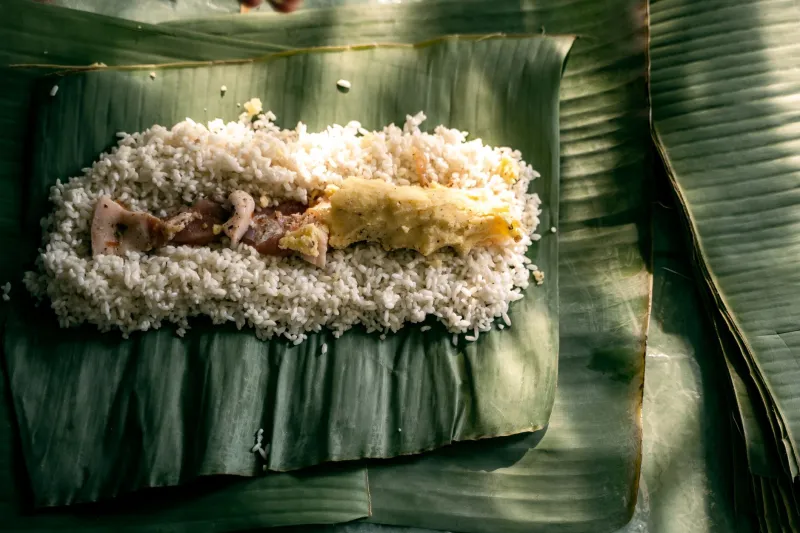
Days 1–2: Arrive in Apia, Samoa Give yourself a full day to recover from the flight and get oriented in Apia. Walk the waterfront, visit the Samoa Cultural Village, and have your first taste of palusami — taro leaves baked in coconut cream — at a local restaurant.
Days 3–4: Upolu Island Rent a car and circle Upolu. Stop at the To Sua Ocean Trench (book ahead — it fills up), the Robert Louis Stevenson Museum (yes, the author of Treasure Island spent his final years here), and a few of the black sand beaches on the south coast.
Day 5: Savai'i Island Take the ferry across to Savai'i, Samoa's larger and far less-visited island. This is where fa'a Samoa feels most intact. Stay in a traditional fale guesthouse on the beach, visit the Saleaula lava fields where a 1905 eruption buried an entire village, and spend an evening with your host family.
Day 6: Travel Day to Tonga Fly from Apia to Nuku'alofa via Fiji. Afternoon arrival, check in, decompress.
Days 7–8: Tongatapu Explore Tonga's main island — the Ha'amonga 'a Maui trilithon (often called the Stonehenge of the Pacific), the royal tombs at Lapaha, and the famous blowholes at Houma. Don't miss a Sunday church service if your timing allows.
Days 9–11: Ha'apai Islands Fly or ferry north to Ha'apai for Tonga's most remote, most beautiful island experience. Snorkeling, empty beaches, and small guesthouses where the owners cook your dinner and sit with you afterward. This is the part of the trip people never stop talking about.
Days 12–13: Vava'u Group Head further north to Vava'u, Tonga's sailing and whale-watching hub. Between July and October, humpback whale encounters here are extraordinary. The Port of Refuge harbor in Neiafu is one of the prettiest anchorages in the Pacific.
Day 14: Fly Home from Nuku'alofa
Cultural Etiquette: What Changes When You Cross the Border
Both countries place enormous value on respect, modesty, and community — but the expressions of those values differ in ways worth knowing before you arrive.
In Tonga, dress conservatively (especially in villages and churches), observe the Sunday closure of nearly all businesses with genuine respect rather than frustration, and accept any invitation to share a meal or attend a ceremony as the privilege it genuinely is.
In Samoa, the alofa (love and generosity) is palpable almost immediately, but don't mistake warmth for casualness. Village protocols matter deeply, and if you're visiting a village — especially on Savai'i — it's proper to seek permission from the village chief (matai) before wandering. Many guesthouses will handle this introduction for you.
In both places, small gifts are appreciated. In Samoa, kava root is a universally appropriate offering when visiting a village. In Tonga, store-bought goods like canned fish or sugar are traditional gifts when visiting a family.
The Bottom Line for US Travelers
If you're already committed to making the journey to Tonga — and it is a journey — the marginal effort of adding Samoa is genuinely small compared to what you get. Two entirely different expressions of Pacific culture, two distinct landscapes, and a trip that gives you real context for understanding what makes each place unique.
The Pacific is vast and varied in ways that don't always make it onto American travelers' radar. A combined Tonga-Samoa itinerary is one of the best arguments for paying attention.