Tonga vs. Hawaii: Where Your Travel Dollar Actually Goes Further (The Honest Numbers)

Photo by Photo by Kevyn Catalan on Unsplash on Unsplash
Let's be direct: the claim that Tonga is cheaper than Hawaii gets thrown around a lot in Pacific travel circles, often by people who've done one or the other but not both, and occasionally by people who are just tired of paying $28 for a mai tai in Waikiki. The truth is more complicated — and more interesting — than either the boosters or the skeptics tend to admit.
So we did what travel sites rarely bother to do: we compared actual numbers. Not rack rates from hotel websites. Not the fantasy budget from a Reddit thread. Real expense reports from real travelers, cross-referenced against current booking data and the lived experience of people who've spent meaningful time in both places.
Here's what we found.
Getting There: Where Tonga Loses Immediately
Flight costs are where Tonga's budget reputation takes its first serious hit. From the continental US, getting to Hawaii is cheap. Flights from Los Angeles to Honolulu regularly come in under $400 round-trip, sometimes significantly less if you're flexible. From the East Coast, $500-$600 is realistic. Budget carriers compete aggressively on this route, and the sheer volume of flights means you have options.
Getting to Nuku'alofa is a different story. You're typically routing through Fiji (via Nadi) or Auckland, which adds both time and money. Expect to pay $900-$1,400 from the West Coast for a reasonable itinerary, and $1,200-$1,700 from the East Coast. Yes, you can sometimes find deals, but the baseline is higher, and the routing is less forgiving if something goes wrong.
The verdict: Hawaii wins on airfare, sometimes by $600-$800 per person. This is not a small difference and anyone who glosses over it in a budget comparison is not being straight with you.
Accommodation: Where Tonga Starts Making Up Ground
This is where the calculus begins to shift. Hawaii's accommodation market is one of the most expensive in the US. A mid-range hotel in Maui or Waikiki during peak season runs $350-$600 per night without blinking. Even budget options — hostels, older motels — rarely come in under $120. Vacation rentals have gotten brutal since the pandemic, with cleaning fees that can double the advertised nightly rate.
In Tonga, the accommodation landscape is genuinely different. Guesthouses and small family-run lodges in Vava'u or Ha'apai range from $40-$90 per night for a clean, comfortable room with breakfast often included. Mid-range resorts — real ones, with pools and beach access — run $120-$200. The top-end properties cap out around $300-$350 per night, which is roughly what you'd pay for a budget room in Kauai.
Over a ten-night trip, the accommodation savings can realistically hit $1,500-$2,500 per couple. That's not nothing. That's most of the airfare gap, closed.
Food: The Category Where Tonga Runs Away With It
This is where the comparison becomes almost unfair. Hawaii has extraordinary food — the culinary scene in Honolulu is legitimately world-class — but it is expensive. A sit-down dinner for two at a mid-range restaurant in Waikiki will run $80-$130 before tip. Groceries are some of the most expensive in the country due to shipping costs. Even a plate lunch from a food truck, which used to be the affordable option, now routinely hits $18-$22.
In Tonga, eating well is genuinely cheap. A meal at a local restaurant — real food, not tourist-adjusted — runs $8-$15. Fresh fish, root vegetables, coconut-based dishes. Markets are inexpensive. If you're staying somewhere with kitchen access, you can eat extremely well for $20-$30 per day per person. Even eating out every meal, $50-$60 per day for two people is achievable.
Over ten days, the food savings between Hawaii and Tonga for a couple can easily reach $800-$1,200.
Activities: Complicated
Here's where travel style matters enormously, and where the comparison gets genuinely nuanced.
Hawaii's activities are expensive. A whale watch tour in Maui: $120-$180 per person. A helicopter tour: $250-$350. Snorkel boat trips: $80-$120. Surfing lessons: $100-$150. The island charges premium prices for premium access, and the infrastructure to deliver those experiences is polished and efficient.
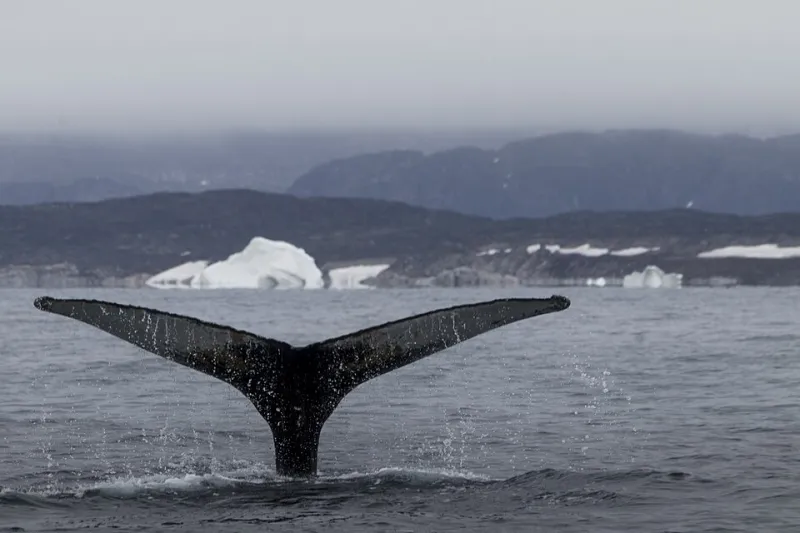
Tonga's signature activity — swimming with humpback whales — is not cheap. Permitted whale swim tours in Vava'u run $150-$250 per person per day, and it's worth every cent, but it's not the budget item people sometimes assume. Diving is more affordable than Hawaii but still $60-$100 per dive. Kayaking, hiking, and beach days are essentially free.
The key variable: what do you actually want to do? If your Hawaii trip involves a lot of resort amenities, luaus, and organized tours, you'll spend a lot. If your Tonga trip is centered on whale encounters and diving, you'll also spend a lot — just less. If you travel slowly, spend time in villages, eat local, and explore independently, Tonga becomes dramatically more affordable.
The Real Number: What Does a Ten-Day Trip Actually Cost?
Based on traveler expense reports we collected from people who'd done both destinations within the last two years:
Hawaii, couple, mid-range travel: $6,800-$9,500 total including flights from the West Coast.
Tonga, couple, mid-range travel: $5,200-$7,800 total including flights from the West Coast.
So yes, Tonga is cheaper — but the margin is $1,000-$2,000 per couple, not the dramatic gap the "Tonga is so affordable" crowd sometimes implies. And if you're a budget traveler who stays in hostels and eats cheap in Hawaii, versus someone who splurges on a resort in Tonga? The numbers can actually flip.
The Honest Conclusion
Tonga is cheaper than Hawaii for most American travelers, but not because it's a budget destination. It's cheaper because accommodation and food costs are genuinely lower, and because the experience rewards a slower, less consumption-driven travel style that naturally costs less.
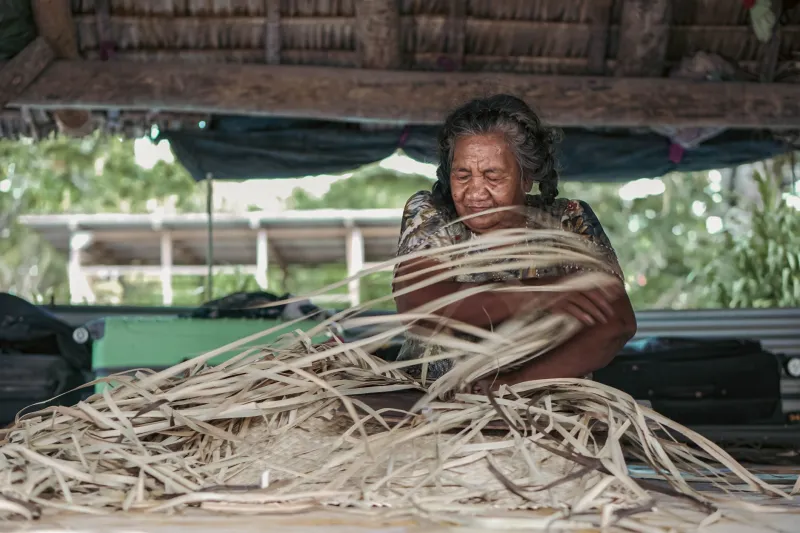
If you're going to Tonga expecting Hawaii prices with a Pacific island backdrop, you'll be pleasantly surprised on some line items and shocked by others. If you're going because you want something fundamentally different from Hawaii — more remote, more culturally immersive, less packaged — you'll probably also find that you spend less without even trying.
That's the real answer to the $3,000 question. It's not about the destination. It's about who you are when you travel.