Month by Month, What Tonga Is Actually Like: A Brutally Honest Seasonal Breakdown
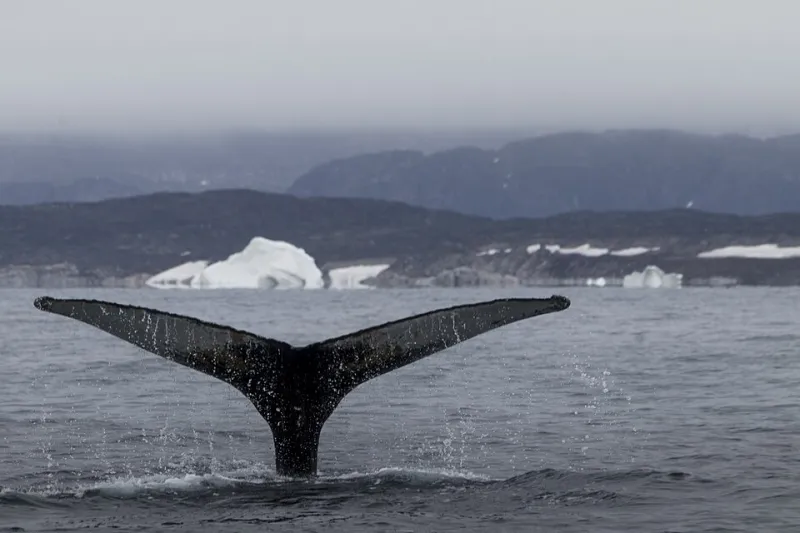
Photo: Buiobuione, CC BY-SA 4.0, via Wikimedia Commons
Here's the thing about weather-based travel guides: they're written for people who don't know what they want yet. If you're going to Tonga specifically to swim with humpback whales, a temperature chart is nearly useless. If you want to experience a traditional village feast, knowing the rainfall average for October won't help you plan around the school holiday calendar. And if you're traveling during cyclone season without understanding what that actually means on the ground, you're flying blind in the most literal sense.
This is the guide that goes past the surface. Month by month, here's what Tonga is actually like — and what that means for your specific priorities.
January – February: Peak Heat, Real Risk, Quiet Beaches
These are the hottest, most humid months in Tonga, sitting squarely inside cyclone season (November through April). That sounds alarming, but the reality is more nuanced. Cyclones don't hit every year, and when they do, they don't always make landfall in Tonga directly. What does happen consistently: heavy rain, periodic flight delays, and the occasional resort or guesthouse closure for maintenance during the slower period.
Who should come anyway? Budget travelers and people who genuinely love solitude. Tourism is at its lowest point, prices drop noticeably, and the islands feel almost entirely local. If you're the kind of traveler who finds that appealing — and some people genuinely do — January and February can be deeply rewarding. Just buy travel insurance that explicitly covers weather disruption and know your evacuation options.
Whale activity: essentially zero. The humpbacks are in Antarctic feeding waters.
March – April: The Shoulder Window
Cyclone risk begins tapering off, temperatures stay warm but become more manageable, and Tonga starts quietly waking up. Easter is a major religious observance here — Tonga is a deeply Christian nation — and you'll see that reflected in how communities operate during Holy Week. Businesses close, Sunday restrictions extend further into the week in some areas, and the atmosphere turns genuinely contemplative.
For travelers interested in the cultural and spiritual dimensions of Tongan life, Easter week is quietly fascinating. Just don't arrive expecting beach bars and nightlife to carry your trip.
Whale activity: still absent. Infrastructure and accommodation options are beginning to reopen after the slow season.
May – June: The Sweet Spot Nobody Talks About
If you want the best combination of good weather, lower crowds, manageable prices, and the beginning of something spectacular, May and June are where it's at. The dry season is settling in, temperatures are pleasant without being overwhelming, and the humpback whales begin arriving in Tongan waters — typically around late June — after their long migration from Antarctic feeding grounds.
This is also when local life runs at its most natural rhythm. School is in session, which means villages feel populated and active without the disruption of holiday crowds. Accommodation is available without the August premium. And the diving and snorkeling conditions begin their long climb toward peak clarity.
For travelers who want the whale experience without the high-season scramble: target late June and be flexible about exact dates. Whale arrival varies year to year.
July – August: The Big Season — and What That Actually Means
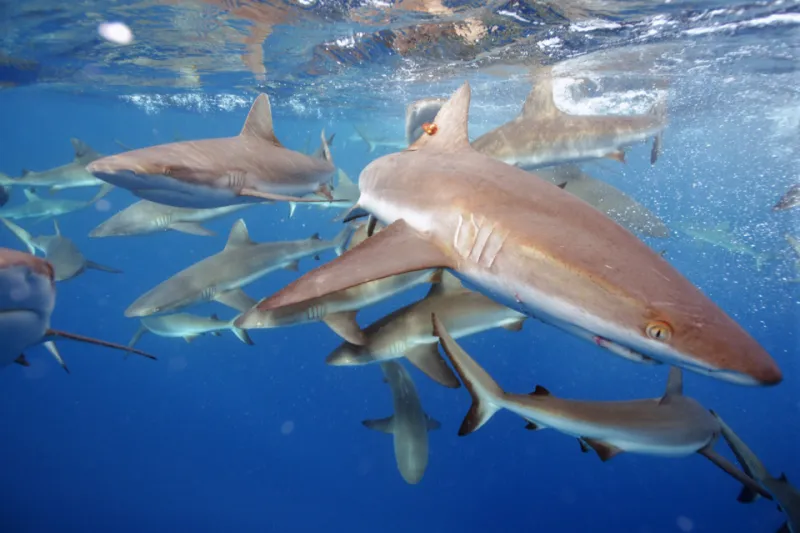
These are the months everyone talks about, and for good reason. The humpback whales are fully present in Tongan waters, congregating especially around Vava'u to breed, rest, and raise their calves. This is one of the only places on Earth where you can legally and responsibly swim alongside these animals — a genuinely extraordinary experience that draws visitors from across the globe.
But here's the honest part: July and August also mean higher prices, fuller guesthouses, and more competition for whale swim spots. Tonga's infrastructure is not built for mass tourism. The island's smaller operators — and many of the best whale swim guides are small, independent operators — book out weeks or months in advance. If you're planning a July trip in June, you may be too late for the best experiences.
School holidays in New Zealand and Australia (which drive a significant portion of Tonga's tourist traffic) overlap with this period, adding further pressure. Book everything early. Seriously.
September – October: The Underrated Window
The whales begin their southward migration in October, but September still offers strong whale activity with noticeably fewer visitors than the peak months. Prices soften slightly, availability opens up, and the weather remains excellent — dry, warm, and clear.
October is particularly interesting for travelers who want to experience local Tongan life more organically. The tourist energy has subsided, village rhythms reassert themselves, and the islands feel more like themselves. Agricultural cycles are active, and if you have local connections (see: the diaspora article), this is a wonderful time to experience everyday Tonga rather than tourism Tonga.
Whale activity: tapering through September, largely concluded by late October.
November – December: Cyclone Season Returns, but Don't Write It Off Entirely
November marks the technical beginning of cyclone season, but risk builds gradually. Early November can still offer beautiful conditions, and the Christmas and New Year's period brings a distinctive energy to Tonga — family reunions, diaspora members returning from the US, New Zealand, and Australia, and a festive communal atmosphere that's genuinely worth experiencing if you're curious about Tongan social life at its most vibrant.
Just be realistic: December travel requires flexibility, good insurance, and a genuine willingness to adapt if weather intervenes. It's not for rigid itinerary types.
The Variable Nobody Mentions: Local Family Calendars
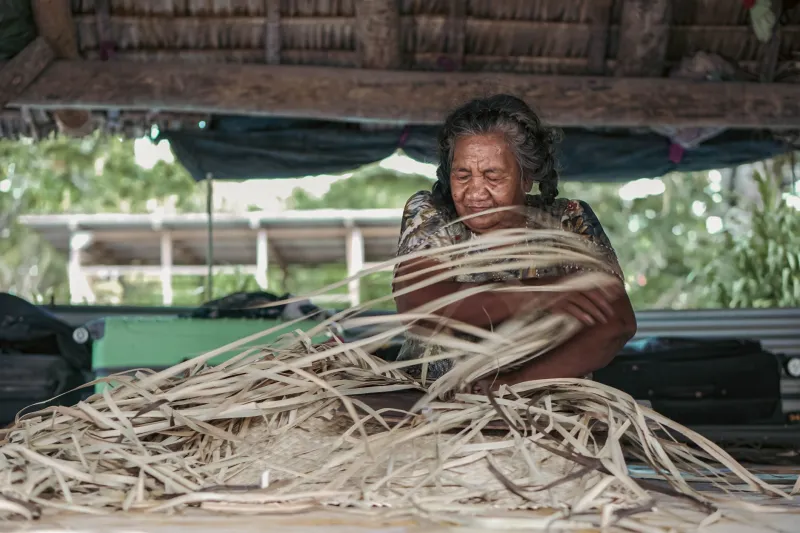
Beyond the official calendar, Tonga's social life is governed by events that don't appear on any tourism website: funerals, weddings, first birthdays (a major celebration in Tongan culture), and church fundraising events called misinale. These gatherings can affect accommodation availability, transportation schedules, and the general energy of whatever island you're on.
If you have local connections, ask what's happening in the family calendar around your travel dates. You might stumble into something extraordinary — or you might learn that the guesthouse you were eyeing is fully booked for a cousin's wedding. Either way, you'll be better prepared than the average tourist who never thought to ask.
Tonga rewards the traveler who pays attention to more than just the forecast. Build some flexibility into your plans, do your research beyond the weather charts, and you'll find a version of these islands that most visitors never get close to.