The Middle Child of Tonga: Why Ha'apai's Forgotten Islands Are Worth Every Extra Mile
The Middle Child of Tonga: Why Ha'apai's Forgotten Islands Are Worth Every Extra Mile
Most people who fly into Tonga have a plan. They'll spend a night or two in Nuku'alofa, maybe catch a market or a royal landmark, then hop north to Vava'u for the humpback whales. It's a solid itinerary. It's also the same one everyone else is running.
Tucked between those two familiar stops is Ha'apai — a scattered archipelago of about 62 islands, only a handful of them inhabited, almost none of them on the average American traveler's radar. That invisibility isn't a flaw. It's the entire point.
What Even Is Ha'apai?
Ha'apai sits roughly in the geographic center of the Tonga island chain, about 100 miles north of Tongatapu and a similar distance south of Vava'u. The group is made up of low-lying coral islands and a few volcanic outcroppings, spread across a wide stretch of the South Pacific. The main hub is Lifuka Island, home to the small town of Pangai — which functions as Ha'apai's commercial and administrative center, though "commercial" is a relative term out here.
Pangai has a handful of guesthouses, a market, some basic restaurants, and the kind of unhurried pace that makes you recalibrate your entire sense of time within about 48 hours of arriving. There are no resorts in the Westernized sense. No swim-up bars, no infinity pools, no excursion desks staffed by people in matching polo shirts.
What there is: silence, space, and a version of Pacific island life that feels genuinely unperformed.
The Beaches Are Basically Yours
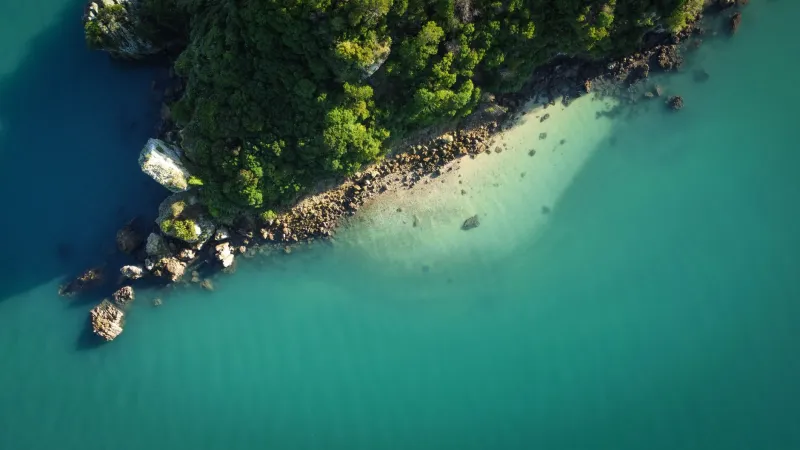
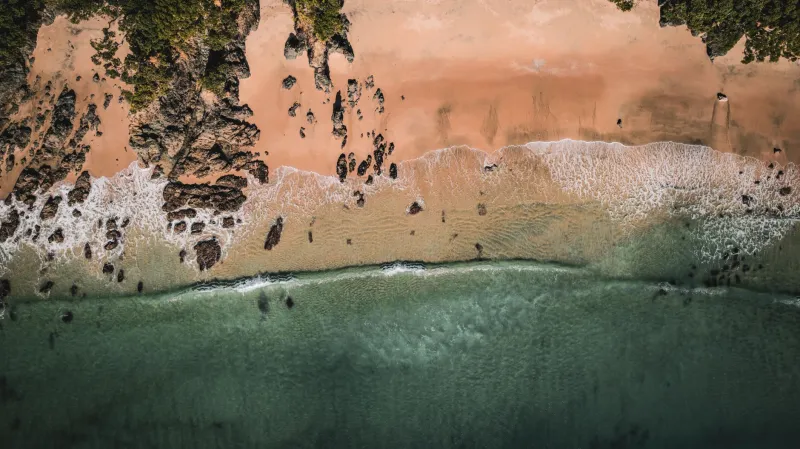
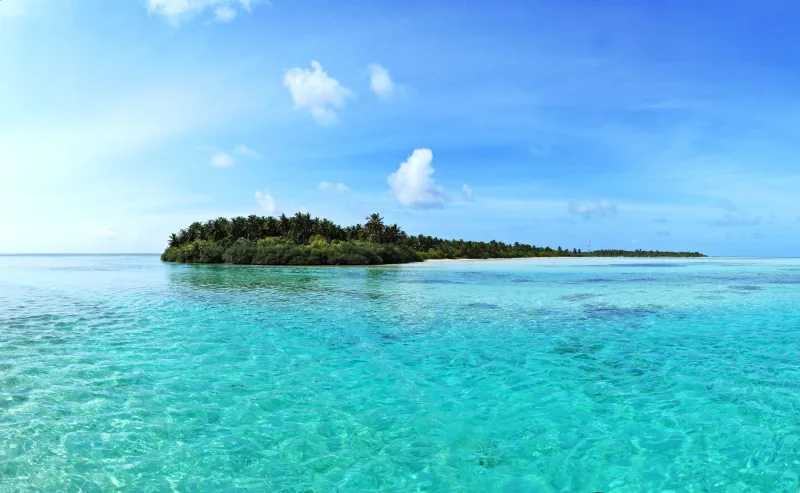
Let's start with the obvious draw. Ha'apai's beaches are, without exaggeration, some of the most beautiful and least visited in the entire Pacific. Foa Island, connected to Lifuka by a short causeway, has stretches of white sand that you can walk for an hour without seeing another set of footprints. The water is that particular shade of turquoise that makes you question whether you're actually awake.
Nearby Uoleva Island — reachable by a short boat ride — takes it even further. There's one small eco-lodge there, a few fishing families, and roughly nothing else. If your version of a perfect beach day involves total solitude, a good book, and the sound of waves doing all the work, Uoleva will rearrange your priorities permanently.
Muihopohoponga Beach on Foa is another local favorite — wide, calm, and sheltered enough for swimming even when the wind picks up. These aren't "undiscovered gems" in the Instagram-caption sense. They're genuinely off the grid.
Shipwrecks and Underwater Adventure
For divers and snorkelers, Ha'apai delivers something Vava'u's whale-watching circuit simply can't match: accessible wreck diving in warm, clear water without the crowds.
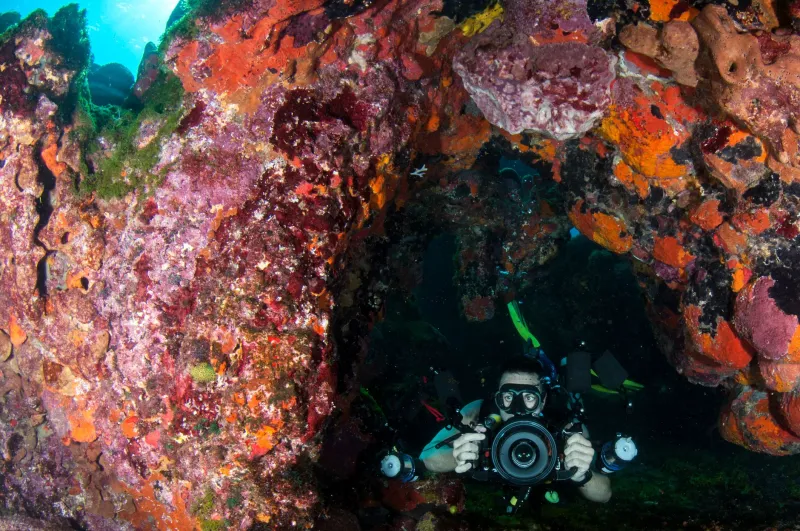
The most famous site is the wreck of the MV Olovaha, a Tongan ferry that went down near Pangai in 1991. It now rests in relatively shallow water, colonized by coral and home to a rotating cast of reef fish, moray eels, and the occasional sea turtle. It's not a technical dive — intermediate divers can explore it comfortably — but it has a haunting, cinematic quality that more polished dive destinations rarely offer.
Beyond the Olovaha, Ha'apai's reef systems are largely unexplored by outside visitors. Local dive operators (small, informal, and often bookable through your guesthouse) can take you to wall dives, coral gardens, and open-water sites where the fish life is thick and the visibility regularly exceeds 100 feet. This is the kind of diving that reminds you why you got certified in the first place.
Humpback whales also pass through Ha'apai waters during the July-to-October season, and while Vava'u gets more organized swim-with-whale operations, Ha'apai offers a quieter alternative — fewer boats in the water, more intimate encounters, and none of the scheduling pressure that comes with a larger tourism infrastructure.
Village Culture Without the Velvet Rope
One of Ha'apai's most underappreciated qualities is how naturally it lends itself to genuine cultural exchange. In Vava'u and Tongatapu, Tongan culture is often presented for visitors — organized kava ceremonies, staged performances, tour-guide explanations. All of that has value. But in Ha'apai, you're more likely to encounter culture simply by being present.
Walk through Pangai on a weekday morning and you'll pass women weaving on their porches, men hauling nets down to the water, kids playing rugby in a field next to a small church. Nobody's performing anything. You're just a visitor in a living community, and the locals — warm and curious in the way Tongans consistently are — will often invite you in before you've figured out how to ask.
Sunday remains the Tongan Sunday everywhere in Ha'apai: quiet, church-going, deeply observed. Plan around it rather than against it, and it becomes one of the most peaceful days you'll spend anywhere in the Pacific.
Getting There from the US
This is the part that keeps most American travelers from ever making the trip, and honestly, the logistics are manageable once you break them down.
From any major US city, your route to Ha'apai runs through either Los Angeles or San Francisco, then to Nuku'alofa (Fua'amotu International Airport) via Fiji Airways or Air New Zealand with a connection through Nadi or Auckland. That's the international leg — long, yes, but standard Pacific routing.
From Nuku'alofa, you have two options to reach Lifuka. Real Tonga Airlines operates domestic flights that cover the distance in about 40 minutes. It's a small prop plane, the views are remarkable, and it's the fastest way to get there. Alternatively, the MV 'Otuanga'ofa ferry makes the crossing from Nuku'alofa to Pangai in roughly 12 to 14 hours — an overnight journey that's basic but functional, and popular with locals traveling between islands.
Most travelers opt to fly in and ferry out (or vice versa), turning the journey itself into part of the experience. Book domestic flights well in advance — Real Tonga has limited capacity and the schedule can shift.
What to Pack and What to Expect
Ha'apai is not a polished destination. ATMs are limited and not always reliable, so bring enough Tongan pa'anga in cash to cover your stay. Accommodation runs from simple family guesthouses to the few small lodges on the outer islands — comfortable, clean, and very much off the luxury grid. Power outages happen. Internet is slow or intermittent. Embrace it.
Pack reef-safe sunscreen (Tonga's reefs deserve it), a good snorkel set, lightweight layers for evening breezes, and a genuine willingness to slow down. Ha'apai rewards patience in a way that faster, more developed destinations simply can't.
The Case for Going Further
There's a version of a Tonga trip that stays in the well-worn channels — the capital, the whales, the organized highlights. That trip is good. Ha'apai is the argument for going one stop further, staying one week longer, and trading convenience for something that most Pacific travelers never find.
The beaches are real. The diving is real. The quiet is real. And when you're sitting on a nearly empty stretch of sand on Uoleva watching the sun drop into the water, you'll understand exactly why Ha'apai keeps its own secrets so well.