Beyond Nuku'alofa: A Practical Guide to Hopping Tonga's Three Island Groups in Two Weeks
Beyond Nuku'alofa: A Practical Guide to Hopping Tonga's Three Island Groups in Two Weeks
There's a version of a Tonga trip where you land in Nuku'alofa, see the Royal Palace, eat some 'ota ika, and fly home thinking you've done it. And honestly? That trip is fine. But it's a little like visiting New York City and never leaving Midtown.
The real texture of Tonga — the stuff that makes people come back, or stay longer than they planned — lives out in the water. It lives on the quiet beaches of Ha'apai, in the sailing anchorages of Vava'u, and in the layered history of Tongatapu's ancient sites. The country is technically small, but it stretches across more than 700,000 square miles of ocean. Moving between its island groups feels less like getting around and more like crossing into different worlds.
Here's how to actually do it.
Understanding Tonga's Three Main Island Groups
Before you start sketching out an itinerary, it helps to understand what you're working with. Tonga has three primary island groups that most visitors consider, each with its own personality.
Tongatapu is the main island and the country's cultural and political center. Nuku'alofa is here — the capital, the main airport, and the place where most international flights land. It's the most developed, the most accessible, and the easiest to navigate. Ancient royal tombs, blowholes, and a handful of good restaurants make it worth a few days, but it's not where the drama is.
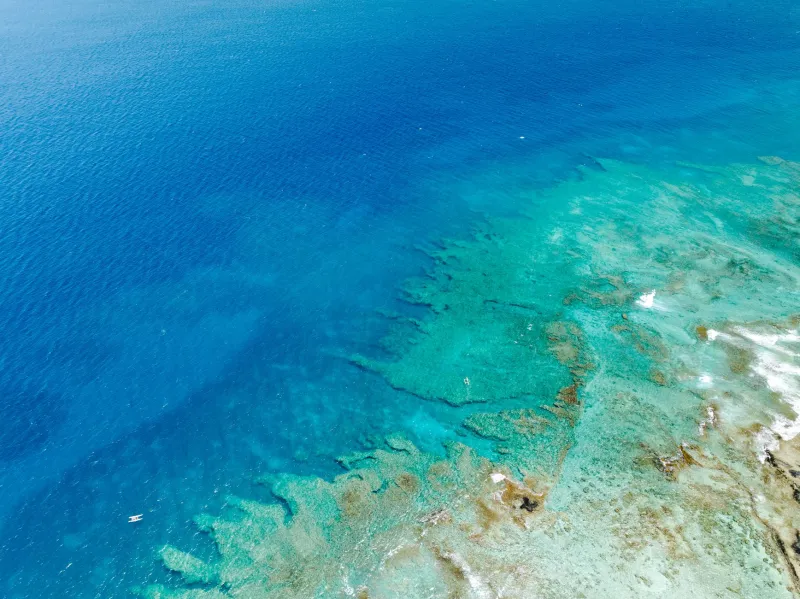
Ha'apai sits in the middle of the chain and is Tonga's least-visited island group, which is exactly why it's worth going. Think flat, low-lying islands ringed by white sand beaches that look like screensavers. Hardly any tourists. Snorkeling so clear it almost feels fake. A slowness to life that's hard to find anywhere else in the Pacific. Ha'apai is for travelers who want to genuinely disconnect.
Vava'u is the north — and it's where Tonga gets a little louder in the best way. The harbor at Neiafu is stunning, ringed by green hills and dotted with sailing yachts from around the world. This is prime humpback whale territory from July through October, a world-class sailing destination year-round, and home to some of the best sea kayaking in the Pacific. If Ha'apai is solitude, Vava'u is adventure with a social scene attached.
Getting Between the Islands: Flights vs. Ferries
This is where a lot of first-timers get tangled up, so let's make it simple.
Domestic flights are operated by Real Tonga Airlines, and they're the fastest way to move between island groups. The flight from Nuku'alofa to Vava'u takes about an hour. Nuku'alofa to Ha'apai is around 40 minutes. Schedules aren't always daily, and they can shift seasonally, so book as early as possible once your international flights are confirmed. Baggage allowances are tight — think carefully about what you're packing.
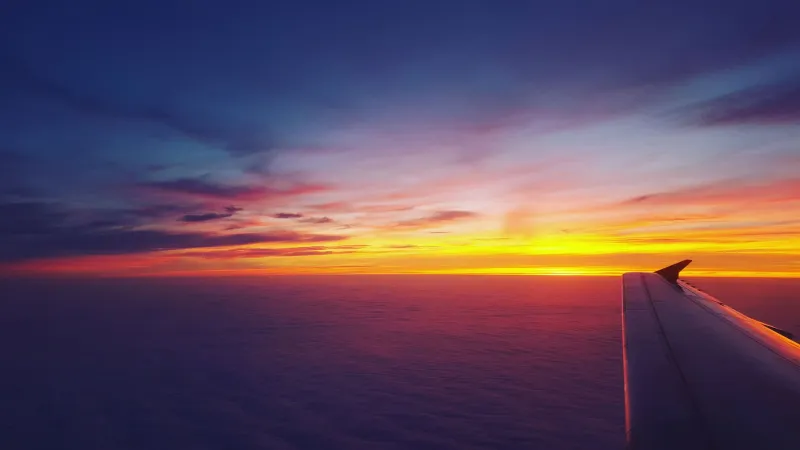
Ferries run between the island groups and are a genuine experience in themselves. The MV 'Otuanga'ofa and other vessels on the Friendly Islands Shipping Company routes can take anywhere from 6 to 18 hours depending on where you're headed. It's not luxurious, but it's cheap, it's social, and watching the islands slip past from the deck at sunrise is something you won't forget. If you have the time and the stomach for it, take the ferry at least one direction.
One practical note: don't try to book inter-island transport at the last minute during peak whale-watching season (July–October). Flights fill up, and ferry schedules can be erratic. Build buffer days into your itinerary wherever possible.
A 10- to 14-Day Framework That Actually Works
Here's a loose structure that balances logistics with experience. Think of it as a starting point, not a rigid schedule.
Days 1–3: Tongatapu Land in Nuku'alofa, shake off the jet lag (that flight from the US is no joke), and spend a couple of days getting oriented. Visit the Ha'amonga 'a Maui trilithon — a 13th-century stone arch that's essentially Tonga's Stonehenge. Drive out to the Mapu 'a Vaea blowholes on the south coast. Eat at the markets. On day three, take a day trip to 'Eua Island if you're into hiking — it's only a 30-minute ferry ride and offers some of the most dramatic landscape in the country.
Days 4–6: Ha'apai Fly or ferry north to Ha'apai. Base yourself in Pangai, the main town on Lifuka Island, and plan to do very little on a schedule. Rent a bicycle and explore. Snorkel off the beach in front of your guesthouse. Take a boat out to one of the uninhabited islands nearby and spend an afternoon with nobody else around. Ha'apai rewards travelers who can slow down — if you're constantly looking for things to do, you'll miss the point.
Days 7–12: Vava'u Head north to Vava'u, either by a quick domestic flight or the overnight ferry. Give yourself at least five or six days here — there's more to do, and the logistics of activities like whale swimming or multi-day sailing charters mean you want flexibility. Book your whale swim tour in advance if you're visiting during whale season. Spend a day exploring the Port of Refuge harbor by kayak. Take the short trip out to Swallows Cave, a sea cave you can swim right into. If you're into sailing, Vava'u is one of the best bareboat charter destinations in the South Pacific — even a half-day sail around the inner islands is worth it.
Days 13–14: Back to Tongatapu Fly back to Nuku'alofa with a day or two to spare before your international departure. Use this time for anything you missed on the front end, some last-minute souvenir shopping at the Talamahu Market, or simply a slow afternoon with a cold Ikale beer before the long haul home.
A Few Things to Know Before You Go
Tonga runs on its own clock — things move slowly, and that's not a problem to be solved. If a ferry is delayed or a flight gets pushed, roll with it. Building slack into your schedule isn't just a nice idea; it's genuinely necessary.
Sunday is a rest day across the country, and most businesses close. Plan around it. Carry some cash (US dollars exchange easily, but smaller islands may have limited banking access). And pack light — domestic flights have strict weight limits, and you'll appreciate having less stuff when you're transferring between guesthouses.
The payoff for all of this planning? A trip that most American travelers have never taken and can't quite describe when they get home — except to say it felt completely different from anywhere else they've been. That's the thing about island hopping in Tonga. Once you've done it, the one-island version of the trip stops making sense.